KCC Institute of Legal and Higher Education, Greater Noida
Law Admissions 2026 Open | Avail Merit-Based Scholarships


A balanced diet provides the right proportions of carbohydrates, proteins, fats, vitamins, minerals, and water for maintaining body cells, tissues, and organs for normal growth and development. It prevents malnutrition, supports immunity, and lowers the risk of chronic diseases. Most nutritionists recommend eating a balanced diet that includes a variety of foods rather than taking vitamin or mineral supplements, except in special circumstances.
This Story also Contains
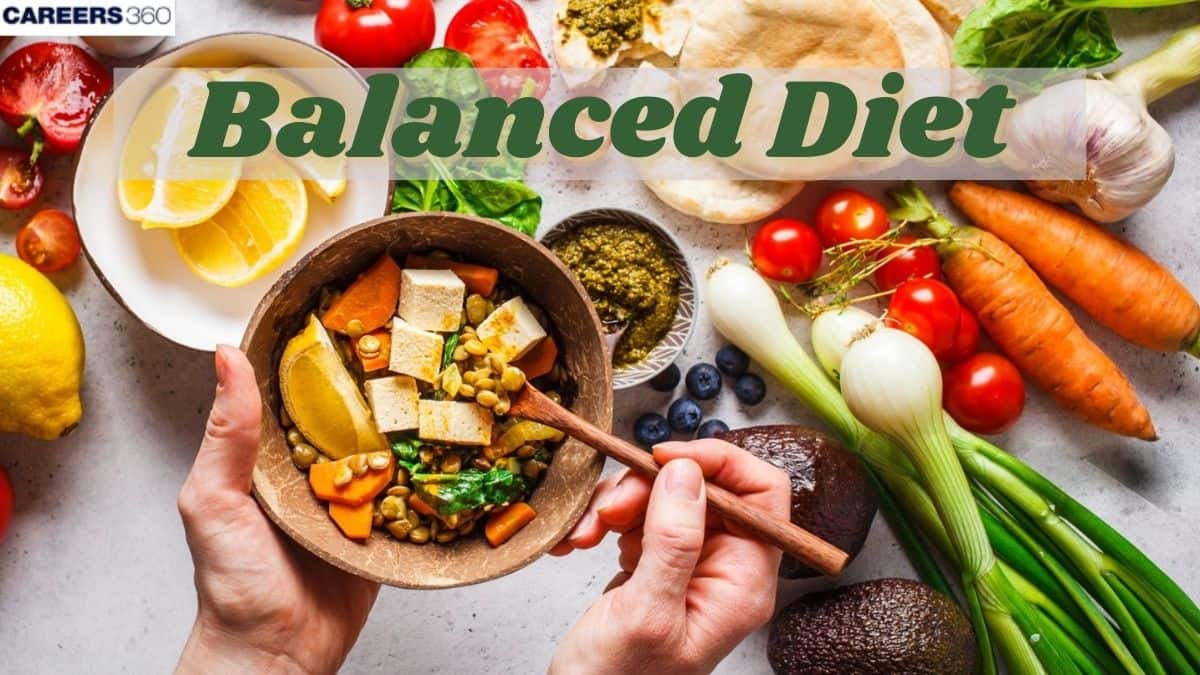
A nutritionally balanced diet meets the nutritional needs of the body. A body requires a certain amount of nutrients and calories to stay active and healthy. Balanced diet is a key topic in Digestion and Absorption, carrying weightage in NEET and CBSE exams. This article includes the necessary information about a balanced diet like the benefits, nutritional importance and daily intake.
A balanced diet is a diet which contains different types of food containing nutrients like carbohydrate, protein, fats, vitamins, minerals and water, in a proportion to meet the requirement of the body. It is achieved by eating a variety of food. There is no single food with the correct amount of all essential nutrients.
Law Admissions 2026 Open | Avail Merit-Based Scholarships
BBA/MBA/PGDM Early Bird Applications Deadline 19th Oct '26. Apply now using coupon code CAREER250 and get ₹250 off the application fee
Some important points are discussed below:
A Balanced diet contains essential nutrients like carbohydrates, protein fats, vitamins, minerals and water.
It helps in maintaining healthy body weight and prevents obesity.
The correct amount of nutrition present in the balanced diet helps in consistent energy levels throughout the day, increasing productivity.
It ensures that proper digestion takes place and prevents issues like constipation and bloating.
It also helps in maintaining strong bones and teeth due to the presence of calcium and vitamin D in the diet.
A balanced diet also improves your skin, hair and overall body functioning by providing all the essential vitamins and minerals for their growth.
The six components of a balanced diet are:
Carbohydrates: It is the chief source of energy. The brain and other parts of the CNS are dependent on glucose for energy.
Proteins: These are the fundamental basis of the cell structure and function. All the enzymes, several hormones, and immunoglobins are proteins.
Fat: It is a concentrated fuel source of the body and helps in insulation
Vitamins: These are the chemical substances required in very small amounts which are essential for normal metabolism.
Minerals: These are inorganic substances needed in small amounts by the body for normal functioning.
Water: The most abundant constituents of the human body which makes about 60% of the body weight.
A balanced diet ensures proper nutrition to keep the body active and healthy. A healthy diet protects the body from non-communicable diseases. It is the leading cause of death in the United States, including heart disease, stroke, cancer, and diabetes. It also protects the body from malnutrition. Some important points are discussed below:
Products | Importance |
Vegetables |
|
| |
Grains |
|
Proteins |
|
Dairy products |
|
A balanced diet is essential for overall health as it provides all the essential nutrients which are required for proper functioning of the body. It ensures that all the necessary vitamins, minerals, proteins and other nutrients are well consumed in the right proportion. The nutritional importance of a balanced diet is discussed below:
It supplies all the essential nutrients for proper growth and energy for our body's functioning.
A balanced diet also supports a simulated system which reduces the risk of infection and diseases.
Promotes growth and development, especially in children and old age people.
It reduces the risk of chronic diseases such as heart disease, diabetes or cancer due to the proper diet we take.
A nutritionally raised balanced diet ensures proper repair of the muscles due to the presence of the right amount of protein.
Each gram of protein or carbohydrate in food provides about 4 Calories, 1 gram of fat (lipids) provides about 9 Calories. Different populations around the world eat radically different diets that are adapted to their particular lifestyles. However, many experts recommend the following distribution of calories:
50–60% from carbohydrates, with less than 15% from simple sugars
Less than 30% from fats (triglycerides are the main type of dietary fat), with no more than 10% as saturated fats
About 12–15% from proteins.
Variety is important for a healthy diet because no one food or food group provides all of the nutrients and food types that the body needs. Accordingly, a variety of foods should be selected from within each food group.
It takes effort to remember everything in a single go. We made the entire problem easy. Some of the tricks regarding Balanced Diet are given below which you can use to memorise the important points.
Components of a Balanced Diet
"VGFDP: Vegetables, Grains, Fruits, Dairy, Proteins"
V: Vegetables (rich in vitamins, minerals, and fibre)
G: Grains (whole grains provide essential carbohydrates and fibre)
F: Fruits (provide essential vitamins and natural sugars)
D: Dairy (source of calcium and protein)
P: Proteins (essential for muscle repair and growth)
Benefits of a Balanced Diet
"GIRL: Growth, Immunity, Risk Reduction, Longevity"
G: Growth
I: Immunity
R: Risk reduction
L: Longevity
Daily Intake Recommendations
"5-3-2-1: 5 servings of fruits and vegetables, 3 servings of whole grains, 2 servings of dairy, 1 serving of lean protein"
5: Fruits and Vegetables
3: Whole Grains
2: Dairy
1: Lean Proteins
Hydration
"WATER: Water, Avoid sugary drinks, Take daily intake seriously, Enhance hydration, Remember to drink throughout the day"
W: Water
A: Avoid sugary drinks
T: Take daily intake seriously
E: Enhance hydration
R: Remember to drink throughout the day
During exam preparation, different types of questions about the Balanced Diet are asked. The table below contains the different patterns of questions asked in different exams.
Exam Type | Types of Questions Asked |
| |
| |
Paramedical |
|
Q1. Select the incorrect match w.r.t Mineral and its natural resources
Iron - Red meat or eggs
Sodium - Table Salt
Potassium - Fruits and vegetables
Calcium - Brazilian nuts
Correct answer: 4) Calcium - Brazilian nuts
Explanation:
Iron: Found predominantly in heme form in red meat and eggs, which serve as substantial dietary sources for this essential nutrient.
Sodium: Table salt, chemically denoted as sodium chloride (NaCl), is a prevalent source of sodium in typical diets.
Potassium: Fruits, particularly bananas, and vegetables such as potatoes and leafy greens are recognized for their relatively high potassium content.
Calcium: Brazilian nuts, despite their nutritional value, are not a notable contributor to calcium intake. Instead, dairy produce, certain leafy vegetables, and fortified edibles are more significant sources of calcium in human diets.
Hence, the correct answer is option 4) Calcium - Brazilian nuts.
Q2. Meat, whole grains, nuts and legumes are natural sources of
Possium
Selenium
Sodium
Zinc
Correct answer: 4) Zinc
Explanation:
Meat, whole grains, nuts, and legumes are natural sources of zinc. Meat, whole grains, nuts, and legumes are natural sources of zinc. Zinc is an essential trace mineral that supports immune function, wound healing, and DNA synthesis. It also plays a critical role in cell division and growth. Regular intake of zinc-rich foods helps maintain healthy skin, hair, and overall metabolism.
Hence, the correct answer is option 4) Zinc.
Q3. Which of the following are called energy giving foods?
Proteins
Fats
Vitamins
Both 1 & 2
Correct answer: 2) Fats
Explanation:
Nutrients in our body are classified into macronutrients and micronutrients. Proteins, fats, and carbohydrates are macronutrients, and vitamins and minerals are micronutrients. Carbohydrates and fats are energy-giving foods. Foods containing fats and carbohydrates are rice, wheat, butter, ghee etc Foods containing proteins are called bodybuilding foods. Proteins are needed for the growth and repair of our body .protein foods are, meat, soybean, dal, etc. Vitamins are micronutrients needed in smaller quantities and they protect us from diseases. They are also called protective foods.
Hence, the correct answer is option 2) Fats.
Also Read:
A balanced diet contains all the essential nutrients in the right proportions needed for growth, energy, and repair of the body. Its main components include:
Carbohydrates: primary energy source.
Proteins: growth and repair of tissues.
Fats: energy storage and insulation.
Vitamins: chemical substances required in small amounts.
Minerals: inorganic substances needed in small amounts.
Water: hydration and metabolic reactions.
A balanced diet ensures proper growth, development, and overall health. It ensures that proper digestion takes place and prevents issues like constipation and bloating. It also helps in maintaining strong bones and teeth due to the presence of calcium and vitamin D in the diet. A balanced diet also improves your skin, hair and overall body functioning by providing all the essential vitamins and minerals for their growth. It provides sufficient energy for daily activities, strengthens immunity, maintains healthy weight, and supports brain and muscle function. In children, it is essential for proper physical and mental development.
In biology, a balanced diet is important because it explains how organisms, especially humans, maintain proper functioning through nutrition. It highlights the role of each nutrient in metabolism, enzyme activity, hormone regulation, and immunity. Learning about balanced diet also helps in understanding nutritional disorders such as kwashiorkor, marasmus, anemia, obesity, beriberi and many more.
An imbalanced diet can cause nutritional deficiencies or excesses, leading to health problems. Lack of proteins causes stunted growth and weak immunity, while vitamin and mineral deficiencies cause conditions like rickets, scurvy, or anemia. Excess fat and sugar intake may lead to obesity, diabetes, and cardiovascular diseases. Long-term imbalance weakens the body, reduces energy levels, and increases vulnerability to infections.
Frequently Asked Questions (FAQs)
If you wait until you're hungry, you'll eat more than you need. Eating healthy, balanced meals and snacks every 2-3 hours will help keep your metabolism high (which is key to fat loss), stabilize your blood sugar, and keep your energy levels high.
"Breakfast like a king, lunch like a prince, dinner like a beggar." is an old saying. But since feudal times, our lifestyle has become more sedentary. Eating breakfast for a long time while sitting at a desk all day is not recommended. Also, just because you ate a lot in the morning doesn't mean you skip lunch. Instead, spread his calorie intake throughout the day. Long breaks between meals can lead to hyperacidity.
The bottom line is calories. If your total calorie intake exceeds what your body can burn, you will gain weight. Rice can add calories quickly (1/3 cup of rice is nearly 100 calories), but skipping rice may not be the only way to cut calories. He keeps a food diary for a week and consults with a nutritionist to identify hidden calories in his diet.
Unfortunately, these are strengths. You must add vegetables to your daily diet. The more colors you add, the more vitamins and minerals you get.Red bell peppers, yellow squash, purple eggplant, green beans, orange squash - try them all. Salads, soups, meats, stews, and rice as pilaf.

Law Admissions 2026 Open | Avail Merit-Based Scholarships
BBA/MBA/PGDM Early Bird Applications Deadline 19th Oct '26. Apply now using coupon code CAREER250 and get ₹250 off the application fee
Ranked #36 amongst institutions in Management by NIRF | 100% Placement
Globally Recognized by AACSB (US) & AMBA (UK) | 18 LPA Avg. CTC for PGPM 2026
Leading Design College | 95% Placement Record | Merit-cum-Means Scholarships for Deserving Students
NEET PG All India & State College Predictor with Admission Process Guide