


Arthropoda
Phylum Arthropoda is the largest group in the Animal Kingdom. It includes insects, spiders, crustaceans, and centipedes. Phylum Arthropoda is a group of invertebrate animals in the Animal Kingdom. The anthropoda diagram makes the body plan simple to learn. These animals are easy to identify. The arthropoda diagram provides a visual representation of jointed legs and a segmented body. Arthropods are found in nearly every environment on Earth, from land to water.
This Story also Contains
- Phylum Arthropoda
- Anthropoda Diagram and Body Plan
- General Characteristics of Phylum Arthropoda
- Classification of Arthropoda
- Examples of Phylum Arthropoda
- Recommended Video on Arthropoda
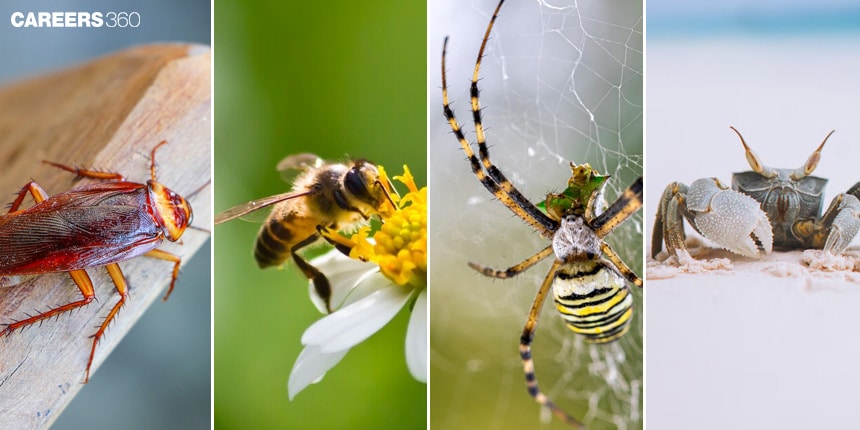
The anthropoda diagram shows the head, thorax and abdomen in a clear way. It helps students understand Structural Organisation in Animals and the Arthropoda classification quickly. Arthropods live on land, water, and in the air, making them the most diverse group in Biology. Studying the phylum Arthropoda is important for NEET and other competitive exams because it explains biodiversity and ecological roles.
Phylum Arthropoda
The Arthropoda phylum is the largest and most diverse group of animals in the Animal Kingdom. It includes insects, spiders, crustaceans, and several others. These animals have segmented bodies, jointed legs, and a hard outer shell.
The Phylum Anthropoda are important in all ecosystems worldwide because they inhabit both deep ocean environments and land. Arthropods and their distribution are important to understand Earth's biodiversity, which is why this phylum is very prominent in the study of Zoology.
Anthropoda Diagram and Body Plan
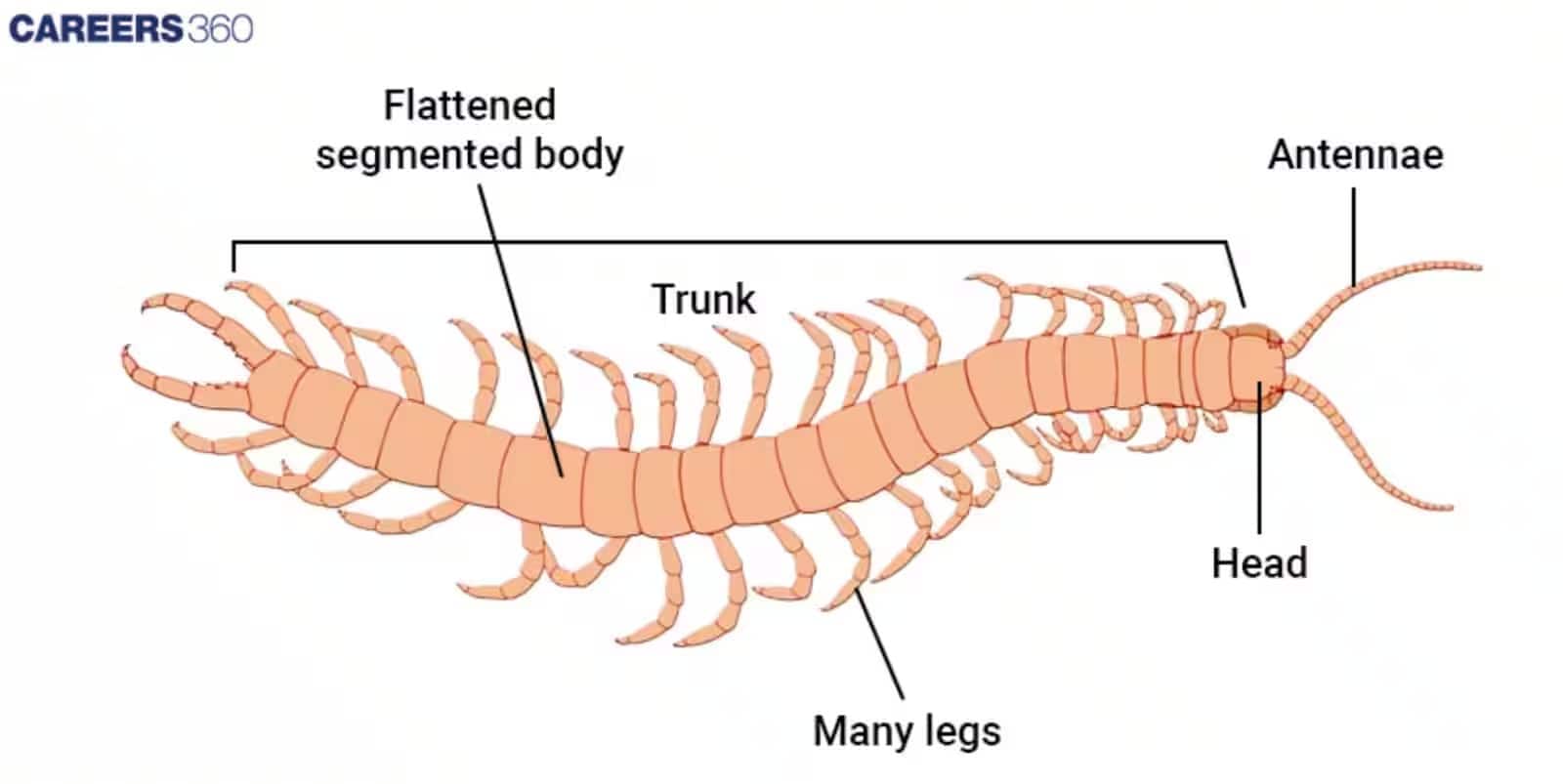
The Anthropoda diagram shows the main body divisions clearly. It highlights the head, thorax and abdomen. These parts are easy to identify in all arthropods.
Below is the arthropoda diagram with its body parts:
General Characteristics of Phylum Arthropoda
Phylum Arthropoda shows unique features that make it the largest group in the Animal Kingdom. The arthropoda diagram helps students see these general characteristics clearly. The general characters of Arthropoda that contribute to their evolutionary success and ecological diversity:
Exoskeleton Composition and Moulting (Ecdysis)
Both annelids and arthropods have segmented bodies. They differ in that the arthropods have an armour-like covering called the exoskeleton, composed of a material known as chitin. With their development, they also go through a process of moulting (ecdysis) where they peel their skin and create a new, bigger one.
Segmented Body Plan
Arthropods have limbs and joints, and their bodies are generally segmented, falling under the head, the thorax and the abdomen. This makes it possible to specialise in body regions and functions.
Jointed Appendages
The Members of the phylum Arthropoda have bilateral symmetry and paired jointed appendages (legs, antennae) through which movement and manipulation of the environment are made possible hence easy manipulation of the surrounding environment hence the ability to inhabit a variety of places.
Bilateral Symmetry
Arthropods are bilaterally symmetrical, that is, their bodies are symmetrical in such a way that they can reflect each other. This is related to the smooth and well-coordinated locomotion of certain parts of the body’s structure.
Open Circulatory System
They have an open circulatory system, in which blood or rather the hemolymph, flows without any restrictions within body compartments and directly washes the organs. This system nourishes them metabolically and helps in the distribution of nutrition and oxygen.
Nervous System and Sensory Organs
The main organ, the nervous system, consists of a brain and a ventral nerve cord that runs along the dorsum of the body. They wield well-developed appendages called sensory appendages that help them perceive stimuli such as light through the compound eye, touch through antennae, chemical signals through chemoreceptors, and many other forms that improve the arthropod's reaction and communication with the surroundings.
Classification of Arthropoda
Phylum Anthropoda is divided into subphyla and classes. The arthropoda diagram helps students connect classification with body structure. This classification highlights how arthropods range from extinct trilobites to modern insects, spiders, and crabs.
The classification of arthropods is discussed below:
Subphylum Trilobitomorpha
Extinct
Subphylum Chelicerata
Class Arachnida (spiders, scorpions)
Class Merostomata (horseshoe crabs)
Class Pycnogonida (sea spiders)
Subphylum Myriapoda
Class Chilopoda (centipedes)
Class Diplopoda (millipedes)
Subphylum Crustacea
Class Malacostraca (crabs, lobsters)
Class Branchiopoda (brine shrimp)
Class Maxillopoda (barnacles)
Subphylum Hexapoda
Class Insecta (insects)
Class Entognatha (springtails)
Examples of Phylum Arthropoda
Phylum Arthropoda includes insects, spiders, crabs, and centipedes. The arthropoda diagram helps students connect these examples with their body plan and ecological roles. The examples of the phylum arthropods are given below:
Insecta
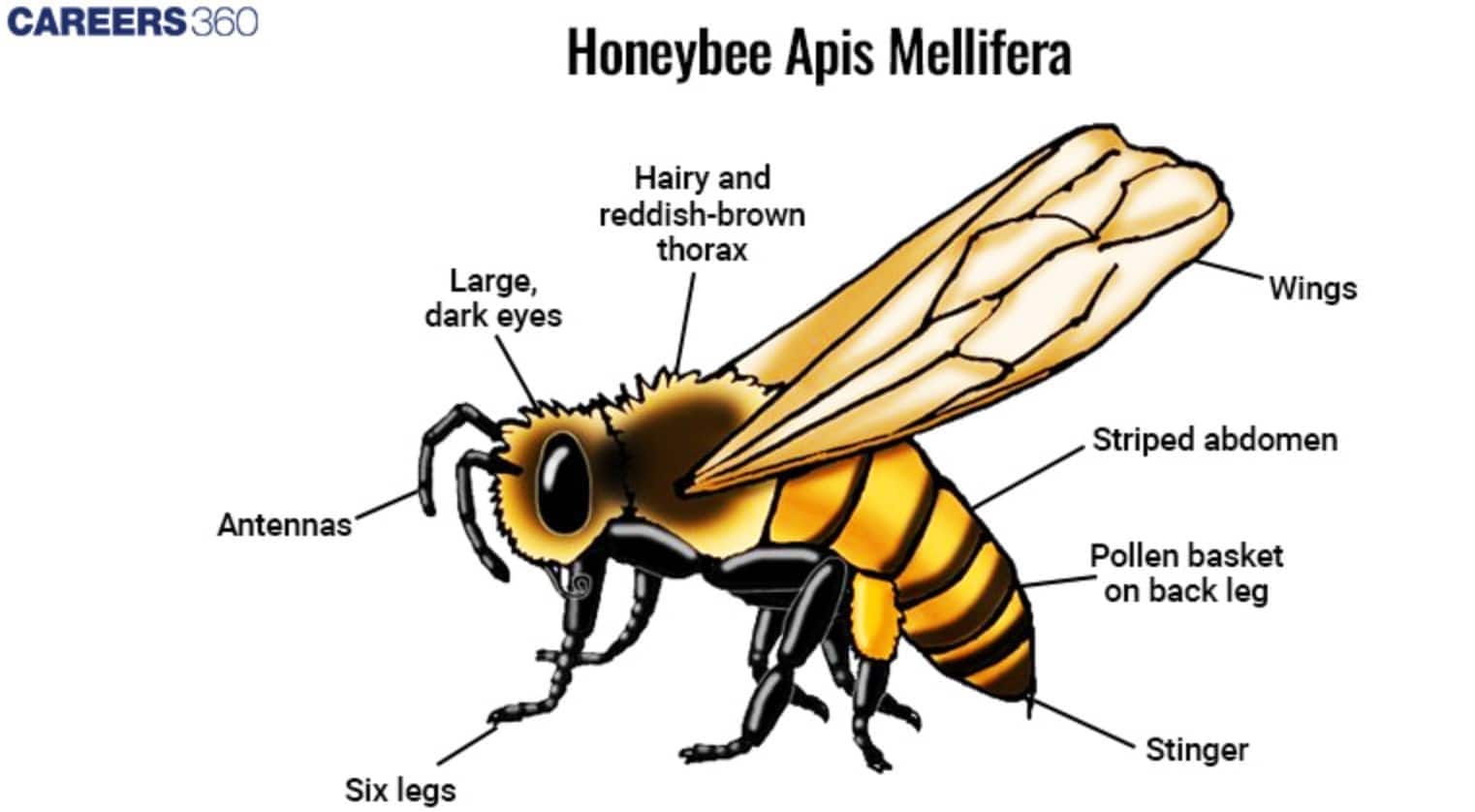
Body structure: Insects have a three-part body. It includes a head with sensory organs such as eyes and antennae, a thorax with three sets of legs, most of the time wings, and the abdomen, which is involved in digestion and reproduction.
Life cycle (metamorphosis): Insects pass through metamorphosis- either holometabolous (egg, larva, pupa, adult) or hemimetabolous (egg, nymph, adult) so they can occupy different ecological niches in their life cycle.
Ecological importance: Without insects, the ecosystems would suffer from a lack of pollination, decomposition and food resources. It is known that they affect ecosystems and agriculture as pollinators and pests.
Example: Honeybee (Apis mellifera). Honeybees are important as they contribute to crop pollination and the maintenance of other species.
Arachnida
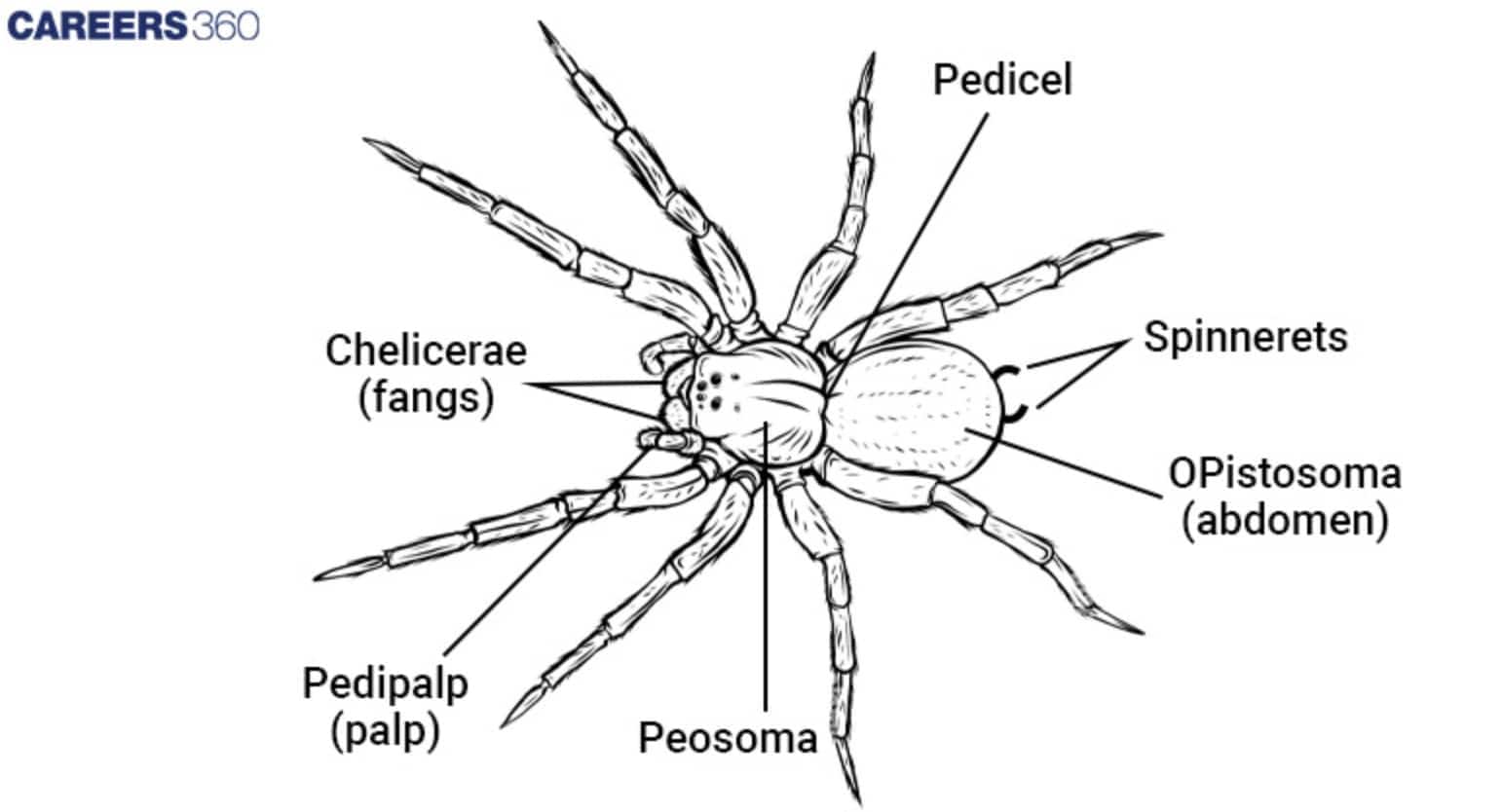
Body structure: Arachnids have a body divided into two main parts, the cephalothorax, which is the fused head and thorax and the abdomen. While the cephalothorax is responsible for the housing of the eyes, mouthparts, and legs, the abdomen is also assigned functions of the digestive and reproductive organs.
Specialised appendages: Some arachnida, such as spiders, have special limbs, chelicerae, which are used in feeding, whereas most have fangs and pedipalps that are sensory and feeding organs as well as being reproductive.
Venom and silk production: Most arachnids, for example, spiders, secrete toxins to paralyse their food and threads for building webs to catch the prey or to build nests for the protection of eggs, among others.
Example: Spider (Araneae). The spiders are popular since they use silk to twist webs that they use in catching their meal. These are pest management instruments that help to regulate the pest populations and are present in different ecosystems globally.
Crustacea
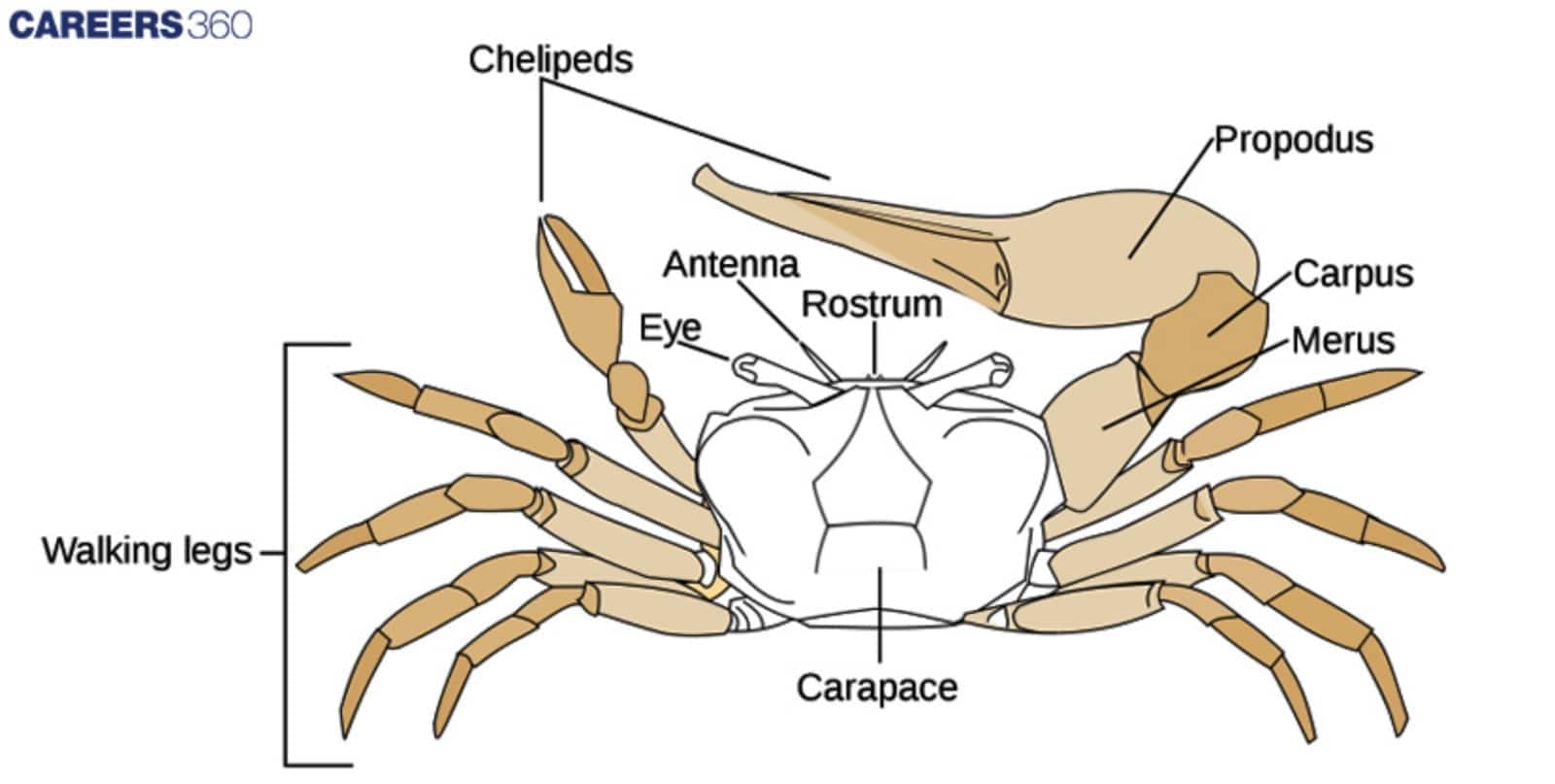
Body structure: Crustacea have a head and thorax fused, which is called the cephalothorax, and the remainder of the body is the abdomen. These often consist of more than one pair of legs, mouthparts and/or antennae, which help in feeding and/or perceiving the environment.
Aquatic adaptations: In general, crustaceans are mostly water-dwelling animals, and hence they mostly exhibit some traits found in their respiratory system, like gills for respiratory purposes and their locomotive and feeding appendages, like limbs.
Economic importance: Crustaceans are of vast economic importance, as they serve as food, especially crabs, lobsters, and shrimp, and as a source of fishery and aquaculture in the global market.
Example: Crab (Brachyura), Crabs are marine and freshwater animals that have broad flat heads and thorax that together are known as the cephalothorax, strong claw-like pincers which are used for defence as well as for manpower. It is relevant to both the structure of ecosystems and food chains, and it is considered a source of food for other living beings, including human beings.
Myriapoda
Distinctive features: Class Chilopoda, which includes the centipedes, is characterised by elongated bodies and a pair of legs in every one of the segments of the body. These creatures are carnivorous, and they kill their prey using special claws which are venomous. The class Diplopoda is known as millipedes. They have two pairs of legs on each body segment and are tearing vegetarians, scrap feeders, and decomposers of plant litter.
Habitat and behaviour: Myriapods are usually associated with habitats with high humidity, including soil, litter layer, and logs. While centipedes are very swift when hunting for their prey, millipedes are very slow-moving and, to a large extent, depend on their shells and chemical secretions to protect them from their predators.
Example: The centipede is associated with speed and predatory nature because of the way it catches its prey. They use five-millimetre-long venomous forcipules for holding and paralysing their prey, insects and other small animals. These participate in the regulation of some pests in their natural environment.
Recommended Video on Arthropoda
Frequently Asked Questions (FAQs)
Phylum Arthropoda is the largest group in the Animal Kingdom. It includes insects, spiders, crabs, and centipedes.
The arthropoda diagram shows the body plan divided into head, thorax, and abdomen, along with jointed legs and sensory organs.
Examples include honeybee (Apis mellifera), spider (Araneae), crab (Brachyura), and centipede (Chilopoda).
Arthropods have a segmented body, jointed appendages, bilateral symmetry, an exoskeleton made of chitin, and an open circulatory system.
Arthropods are classified into several subphyla based on their body structure and appendages:
Subphylum Chelicerata: Consists of Class Arachnida – the list of animals belonging to this class is spiders and scorpions.
Subphylum Crustacea: Such as; crabs, lobsters, shrimp
Subphylum Myriapoda: Some of it includes Chilopoda which are Centipedes and Diplopoda which are millipedes.
Subphylum Hexapoda: The class include Insecta (insects).
