


Body Fluids and Circulation
Body Fluids and Circulation explains how substances such as oxygen, nutrients, hormones, and waste products are transported throughout the body. Both the blood and lymph are major body fluids involved in the process. Heart and blood vessels, on the other hand, help maintain the process of circulation. This topic helps the students understand the basic principles of human physiology and the functioning of the circulatory system.
This Story also Contains
- What are Body fluids?
- Types of Body Fluids
- What is the Circulatory System?
- Difference Between Blood and Lymph
- Composition of Blood
- Blood Groups
- Circulatory Pathways
- Human Circulatory System
- Disorders of the Circulatory System
- Body Fluids and Circulation Quick Revision Notes
This chapter covers the composition of blood, blood groups, circulation pathways, and the functioning of the heart. Apart from this, it also explains the regulation of cardiac activity and common disorders related to the circulatory system. Understanding the mechanism of circulation, disorders of the circulatory system, and the different types of blood groups is important in knowing how the body works.
What are Body fluids?
Body fluids are the important body liquids that either circulate or are drained out from the body. There are two types: intracellular, which is the fluid inside cells and extracellular, which contains lymph, blood plasma, and fluids surrounding organs. The main fluids in the body are blood, gastric juice, cerebrospinal fluid, saliva, semen, mucus, and urine, each of which has a distinct function, such as transportation, digestion, protection, or waste removal.
Types of Body Fluids
After understanding what body fluids are and how they have their own distinct body functions, it becomes necessary to know the types of such fluids that exist in the body. Here are the major types:
Blood and lymph are the most important body fluids. Human blood is the fluid of connective tissue that includes white blood cells, red blood cells, plasma, and platelets.
Due to the presence of haemoglobin, blood is usually red.
Blood flows from the heart to different body tissues through arteries and returns to the heart through veins.
Lymph is a colourless fluid that circulates through lymphatic vessels.
Functions of Body Fluids
These are among the few functions of body fluids.
Transport of essential nutrients and oxygen to all vital organs.
Removal of toxic waste.
Body temperature control.
Control of metabolism.
What is the Circulatory System?
The circulatory system transports oxygen, nutrients, hormones, and waste materials throughout the body. It consists of the heart, blood, and blood vessels, which work together to keep the body functioning properly.
Blood
Blood is a specialised type of connective tissue. Blood is the most important circulating body fluid in humans.
Blood's chief functions include transportation, protection, and regulation.
Lymph
Lymph is the clear fluid moving through a lymph vessel, which belongs to the immune system.
It clears the tissues of waste and toxins or other debris with the transportation of WBCs in and out of the lymph nodes.
Difference Between Blood and Lymph
Here are a few important differences between blood and lymph:
Feature | Blood | Lymph |
Colour | Red due to haemoglobin | Colourless or pale yellow |
Components | Plasma, RBCs, WBCs, and platelets | Plasma and WBCs (mainly lymphocytes); RBCs and platelets absent |
Circulation | Flows through blood vessels | Flows through lymphatic vessels |
Function | Transport of gases, nutrients, hormones, and wastes | Defence against infection and transport of absorbed fats |
Pumping Organ | Heart | No central pumping organ |
Composition of Blood
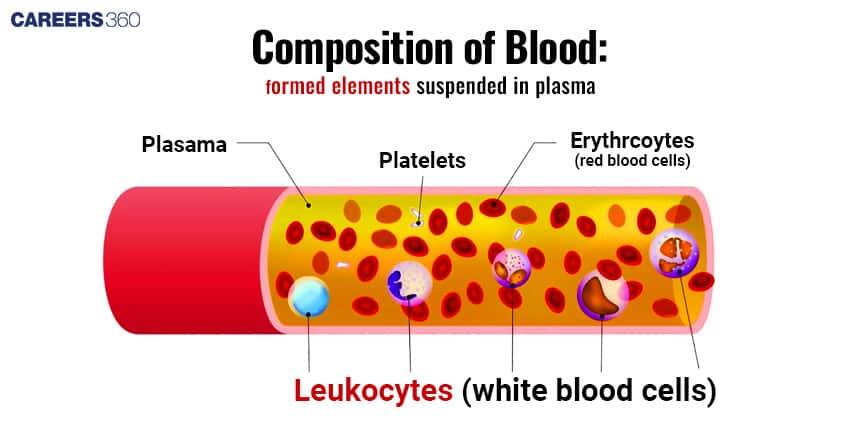
Blood is a vital connective tissue that plays a key role in transporting substances throughout the body. It is composed of a liquid part called plasma and cellular components known as formed elements, each with specific and essential functions.
Plasma
Plasma represents the fluid part of the blood; it forms about 55% of the entire volume of blood. The prime content of the plasma is water. Besides that, it also contains proteins, electrolytes, nutrients, hormones, and waste products.
Formed Elements
The formed elements in blood are composed of erythrocytes, leucocytes, and platelets.
Erythrocytes
This is meant to carry oxygen from the place of loading, the lungs, to the different parts of the body and then return with the carbon dioxide to the lungs, which will then be exhaled.
Leucocytes
Popularly known as white blood cells, they form a part of the immune system, which fights various kinds of infections or diseases in the human body system.
Blood Platelets
These are small portions of cells whose responsibility is taking crucial clotting of blood and healing of wounds.
Here is a brief table showing the components of blood:
Components | Functions |
Plasma | Transports nutrients, hormones, waste |
Red Blood Cells (RBCs) | Carry oxygen via hemoglobin |
White Blood Cells (WBCs) | Fight infections |
Platelets | Help in clotting of blood |
Blood Groups
There are different types of blood group based on the concept of presence or absence of antigen and antibody. Blood grouping becomes very important and relevant not only for safe blood transfusions but also for understanding the aspects of immune responses.
ABO Blood Group System
The ABO blood group system occurs in four different varieties or groups where the antigens of the red blood cells are distinguished A, B, AB, and O blood groups. Here is a brief table showing different blood groups along with their compatibility:
Blood group | Can donate to | Can receive from |
A | A, AB | A, O |
B | B , AB | B, O |
AB | AB | A, B, AB, O |
O | A, B ,AB, O | O |
Rh Grouping
The Rh grouping is based upon either the presence or absence of an antigen known by the name Rh factor. According to the presence of this type of antigen, a person is Rh-positive or RH-negative.
Coagulation of Blood
Blood coagulation is the process by which blood forms a clot at the site of injury to prevent excessive blood loss.
It is a complex cascade of events that results in the conversion of fibrinogen to fibrin, forming the meshwork of the clot.
Circulatory Pathways
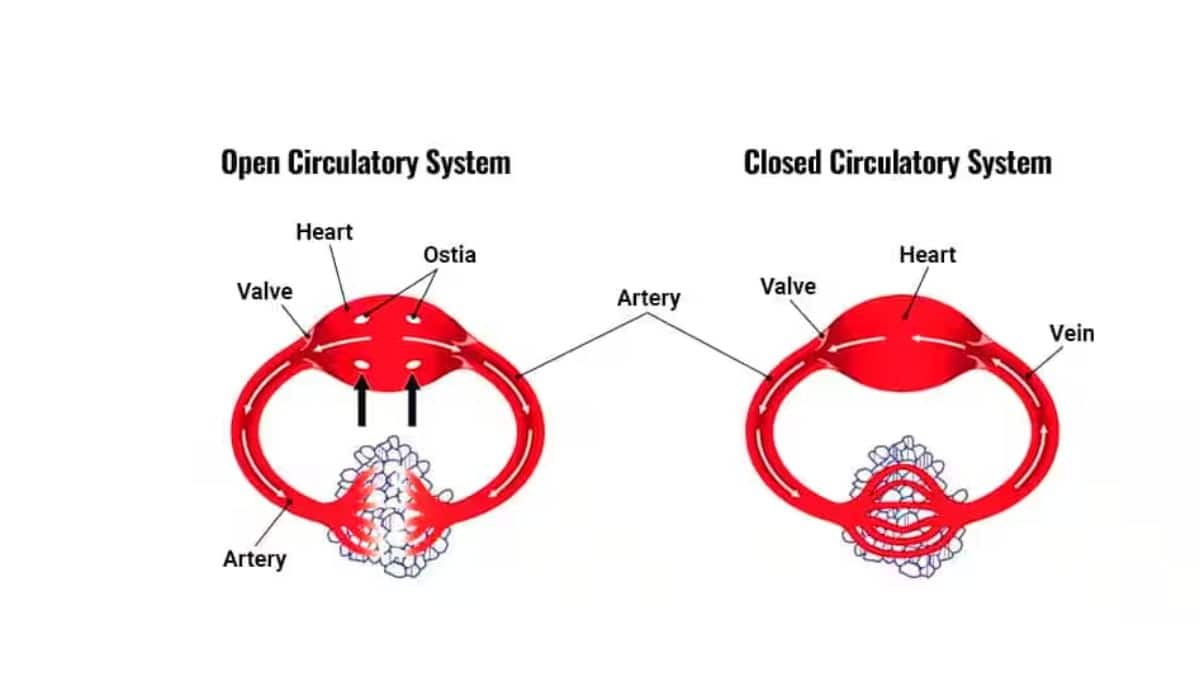
The circulatory system is responsible for transporting blood and nutrients throughout the body. It can be of two main types: open and closed, based on how blood flows within the body.
Open Circulatory System
Blood is such that it does not always circulate within blood vessels. it flows freely off cavities, bathing organs directly.
Closed Circulatory System
Blood remains inside vessels, leading to further efficiency of substance transportation. The human circulatory system along with all other vertebrates works this way.
Human Circulatory System
The circulatory system of humans consists of the heart, the system of blood vessels, and blood. All these components together play an important role in the circulation of body fluids, hormones, and other substances.
Heart Structure
The heart is a muscular organ with a four-chambered structure, including two atria and two ventricles. It pumps blood across the body parts.
Nodal Tissues
Various nodes and tissues present in the heart are the sinoatrial and atrioventricular nodes. These nodes give rise to impulses, which regulate the heartbeat.
Blood Vessels
Blood vessels are made up of arteries, veins, and capillaries. Blood leaves the heart through the arteries and returns to the heart through veins, in turn, the capillaries are the sites of delivery of material from the blood to the tissues and picking up material from the tissues.
Types of Blood Vessels
Blood vessels are of three main types:
Arteries: Arteries carry blood away from the heart.
Veins: Veins carry blood towards the heart.
Capillaries: Capillaries are the smallest blood vessels and form a network between arteries and veins.
Cardiac Cycle
It is the process of one heartbeat, involving contraction and relaxation, that continuously circulates the blood throughout the body.
Electrocardiogram (ECG)
The ECG is a diagnostic method measuring the heart's electrical activity.
It is useful in making various cardiac diagnoses and measures the rhythm of heartbeats in an individual.
Double Circulation
Double circulation is one of the features of the human circulatory system, where the blood passes through the heart twice in one complete cycle. This consists of the pulmonary and systemic circulations.
Pulmonary Circulation
It is the flow of blood from the heart to the lungs and back to the heart. This is the process by which blood gets oxygenated, and carbon dioxide is removed.
Systemic Circulation
The flow of oxygenated blood from the heart around the rest of the body and part of deoxygenated blood back to the heart was another form of circulation.
Hepatic Portal System
The hepatic portal system is a network of veins that carries nutrient-rich blood from the gastrointestinal tract and spleen to the liver for processing and detoxification.
Regulation of Cardiac Activity
The autonomic nervous system, along with the endocrine system, controls cardiac activity.
The sympathetic nervous system brings about an increase in heart rate and the force of contraction, whereas the parasympathetic decreases heart rate.
Disorders of the Circulatory System
There could be different disorders of the circulatory system, thus hindering the path towards well-being. These disorders can be anything from high blood pressure and atherosclerosis to more serious conditions like heart failure. A few disorders related to the circulatory system:
- Hypertension or High Blood Pressure
High blood pressure symptoms show the pressure of the blood up against the walls of the arteries is very strong. Hypertension increases the risk of heart disease and stroke.
- Coronary Artery Disease (CAD)
It refers to the reduction or blockage of coronary arteries that supply blood to the heart muscle. Reduced blood supply to the heart makes the organ more prone to a heart attack.
- Angina
Angina is a chest discomfort arising from poor blood circulation through the heart's muscles. It is mostly a symptom or sign of coronary heart disease.
- Heart Failure
A condition in which the heart's function becomes unable to sufficiently meet the needs of the organs and tissues in the body. It results in symptoms such as shortness of breath, tiredness, and fluid retention.
- Coronary Thrombosis
This is a blood clot inside one of the coronary arteries. Such thrombosis commonly leads to a heart attack.
Body Fluids and Circulation Quick Revision Notes
Blood and lymph are the two main body fluids involved in the transport of substances within the body.
Blood is composed of plasma and formed elements.
Erythrocytes contain haemoglobin and are responsible for the transport of oxygen.
Leucocytes play an important role in protecting the body against infections.
Platelets help in the clotting of blood and prevent excessive blood loss.
The ABO blood group system consists of four blood groups: A, B, AB, and O.
The human heart is four-chambered and consists of two atria and two ventricles.
Double circulation includes pulmonary circulation and systemic circulation.
Arteries carry blood away from the heart, whereas veins carry blood towards the heart.
The cardiac cycle involves the rhythmic contraction and relaxation of the chambers of the heart.
Recommended Videos on Body Fluids and Circulation
Frequently Asked Questions (FAQs)
Its major components include the heart, Blood, lungs, arteries, veins, capillaries, portal and coronary arteries.
Importance of some plasma proteins:
Globulins - Involved in the body's immune system, also called immunoglobulins
Albumins - help maintain the body's osmotic balance
Fibrinogens - play an important role in blood clotting
It ensures proper blood circulation inside the body without getting oxygen-rich blood mixed with deoxygenated.
In addition, the separation between the two types of blood even supplies oxygen to blood cells and increases the flow of blood.
Some functions are: -
Transport of essential nutrients and oxygen to all vital organs.
Removal of toxic waste.
Body temperature control.
Control of metabolism.
The components of a blood component are as follows:
Erythrocytes or RBCs red blood cells - Carry oxygen and contain pigment.
Haemoglobin - Haemoglobin combines with its oxygen and forms Oxyhaemoglobin, which carries oxygen to the oxygen-deprived areas of the human body.
Leukocytes or WBCs or white blood cells - Lymphocytes are usually known to synthesise antibodies which reduce or kill germs. Neutrophils act as a defence against viruses known as phagocytosis.
Thrombocytes or platelets in the blood - help the blood to coagulate
