


Completion of Figure: Meaning, Reasoning Questions and Answers, Examples
Have you ever looked at an incomplete drawing—like a half-made pattern or a missing part of a design - and instantly tried to guess how it should be completed? That’s exactly what completion of figure in reasoning is all about. In these questions, a part of a figure is missing, and you need to identify the correct option that completes the pattern logically. These completion of figure reasoning questions with answers test your ability to understand visual patterns, symmetry, and logical continuity. By practicing different completion of figure examples and solutions, you can improve your observation skills, enhance pattern recognition, and solve questions more quickly and accurately in exams.
This Story also Contains
- What is Completion of Figure in Reasoning?
- Patterns of the Completion of Figure Reasoning
- Question: Weightage of Completion of Figures in Competitive Exams
- Best Approach to Solve Completion of Figure Reasoning Questions Quickly and Accurately
- Non-Verbal Reasoning Topics
- Completion of Figure Questions for Practice
- Completion of Figures for SSC CHSL/ SSC MTS/ Railway Recruitment Board exams
- Completion of Figures for SSC Stenographer/ SSC CPO/ SSC CGL exams
- Best Books for Completion of Figure Reasoning Preparation
- How to Solve Completion of Figure Reasoning Questions
- Completion of Figures Reasoning Tricks and Techniques
In this article, we will cover the meaning of completion of figure in reasoning, detailed explanations with solved examples, important practice questions with answers, shortcut techniques to solve questions faster, and a list of frequently asked questions (FAQs) to help you prepare effectively for competitive exams like CUET, CAT, XAT, SSC, Banking, and other aptitude tests.
What is Completion of Figure in Reasoning?
Completion of figure is an important topic in non-verbal reasoning that tests your ability to understand patterns, visual logic, and missing elements in a diagram. In these questions, a figure is given with one part missing, and your task is to choose the correct option that logically completes it. These completion of figure reasoning questions with answers are designed to evaluate your observation skills, pattern recognition ability, and logical thinking under time pressure. With regular practice of figure completion examples and solutions, you can significantly improve both speed and accuracy in competitive exams.
Completion of Figure Meaning in Logical Reasoning
In logical reasoning, completion of figure refers to identifying the correct piece or part that perfectly fits into an incomplete diagram based on a specific pattern or rule. The missing portion may depend on symmetry, rotation, continuation of lines, or repetition of shapes.
These completion of figure questions assess your ability to:
- Understand visual patterns and sequences
- Analyze symmetry and alignment of shapes
- Identify logical continuity in designs
- Focus on details while ignoring distractions
Mastering the meaning of completion of figure in reasoning helps in building a strong foundation for solving complex non-verbal reasoning problems.
Definition of Completion of Figure with Examples
Completion of figure can be defined as a type of reasoning question where a part of a figure is missing, and the candidate must identify the correct option that completes the figure logically and visually. The correct answer should maintain the pattern, structure, and consistency of the original design.
For example, if a figure shows a pattern where lines are forming a sequence or shapes are arranged symmetrically, the missing part must follow the same rule. You may need to analyze:
- Direction of lines (horizontal, vertical, diagonal)
- Shape repetition or progression
- Symmetry or mirror reflection
- Rotation or alignment of elements
Practicing completion of figure questions with answers and explanations helps in quickly identifying these patterns during exams.
Real-Life Examples of Completion of Figure
The concept of completion of figure reasoning is not limited to exams—it appears in everyday life as well. Recognizing these real-life patterns can make learning easier and more intuitive.
- Completing a puzzle or jigsaw piece by identifying the correct missing part
- Filling in missing designs in rangoli, mandala, or artwork patterns
- Identifying the correct shape to complete a logo or symbol design
- Completing patterns in tiles, wallpapers, or architectural designs
- Solving pattern-based games and visual puzzles
These real-life examples show how figure completion skills are connected to practical observation and visual intelligence. Developing this skill not only helps in solving completion of figure reasoning questions in competitive exams but also enhances overall analytical thinking.
Skills Tested in Figure Completion Reasoning
Visual perception – spotting the missing part accurately.
Pattern recognition – identifying symmetry, alignment, and repetition.
Attention to detail – observing fine lines, curves, and shapes.
Elimination skills – removing incorrect answer figures to find the right one.
Patterns of the Completion of Figure Reasoning
The following are the patterns of questions asked based on the completion of the figure concept-
Repeated sequences and patterns
Diagonally opposite parts are the same
Adjacent parts are the mirror image
Each part of the figure is rotated by 90 degrees
Question: Weightage of Completion of Figures in Competitive Exams
Figure completion questions are found in aptitude tests of most of the competitive exams in India, as shown below-
1) In certain Government exams like SSC CGL, Railways, Defence, etc., completion of figures holds a weightage of 2-3 questions.
2) In CUET and other admission tests, 1-2 questions are asked.
Best Approach to Solve Completion of Figure Reasoning Questions Quickly and Accurately
Solving completion of figure reasoning questions requires a clear understanding of visual patterns, logical continuity, and attention to detail. Instead of guessing, candidates should follow a structured strategy to identify the missing part of the figure. By applying the right figure completion tricks and techniques, you can improve both speed and accuracy in non-verbal reasoning questions commonly asked in competitive exams.
Step-by-Step Approach to Deal with Completion of Figure Questions
To master completion of figure questions with answers, aspirants must develop a habit of analyzing figures carefully and logically. The following approach can help:
- Carefully observe the given incomplete figure before looking at the options
- Examine different parts of the figure closely to identify repeating patterns or structures
- Look for patterns such as symmetry, rotation, direction of lines, or shape progression
- Understand how each part of the figure is connected to maintain logical consistency
- Focus on continuity—ensure the missing part follows the same rule as the rest of the figure
This systematic approach to figure completion reasoning helps in identifying the correct answer without confusion.
Pattern Recognition Strategy in Completion of Figure Reasoning
Pattern recognition is the most important skill in solving figure completion reasoning questions.
- Identify whether the pattern is based on symmetry, repetition, rotation, or alignment
- Analyze the arrangement of shapes, lines, and angles
- Check if there is any sequence or gradual change in the figure
- Focus on how the figure evolves from one part to another
Strong pattern recognition skills in reasoning make it easier to solve even complex questions within seconds.
How to Analyze Answer Options Effectively
Once you understand the pattern, the next step is to carefully evaluate the answer choices.
- Compare each option with the given figure step by step
- Check whether the option maintains the same pattern and structure
- Ensure the direction, alignment, and position of elements match perfectly
- Avoid selecting options that look similar but do not follow the exact rule
This option analysis technique for completion of figure questions helps in selecting the most accurate answer.
Maintaining Consistency in Figure Completion Questions
One of the most important aspects of solving completion of figure reasoning problems is maintaining consistency.
- The missing part must follow the same pattern as the rest of the figure
- Any break in symmetry, direction, or alignment indicates an incorrect option
- Ensure that all elements in the completed figure look logically connected
Consistency is the key factor that differentiates the correct answer from close distractors in figure completion reasoning tests.
Elimination Technique for Completion of Figure Reasoning
When you are unsure about the correct answer, the elimination method can be very effective.
- Remove options that clearly do not match the pattern
- Eliminate figures with incorrect alignment, direction, or structure
- Narrow down the choices to the most relevant options
- Re-evaluate the remaining options carefully before finalizing
Using this elimination strategy in completion of figure reasoning increases accuracy and saves valuable time during exams.
Key Tips to Improve Completion of Figure Reasoning Skills
- Practice a variety of completion of figure examples and questions regularly
- Focus on improving visual observation and pattern recognition
- Avoid rushing—accuracy is more important than speed initially
- Gradually work on solving questions within a time limit
- Analyze mistakes to understand where the pattern was missed
By following this complete approach to solving completion of figure reasoning questions, aspirants can build confidence, reduce errors, and perform better in competitive exams.
Non-Verbal Reasoning Topics
The candidates who are preparing for the upcoming entrance and Government exams can also refer to the links given below and master the non-verbal reasoning ability section:
Completion of Figure Questions for Practice
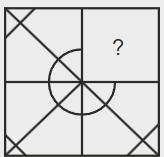
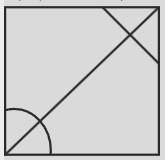
1. Directions: Which answer figure will combine with the pattern in the question figure?
![1718855701237]() (correct)
(correct)![1718855700441]()
![1718855699581]()
![1718855699657]()
 (correct)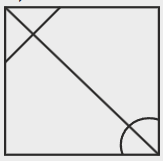
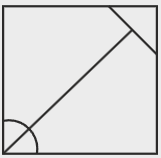
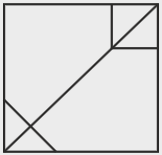
Solution-
On comparing the question figure and all the answer figures, the following figure will combine and make the complete pattern –
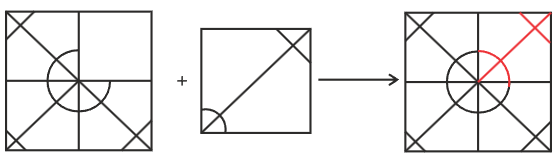
Hence, the first option is correct.
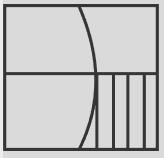
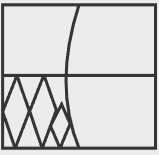
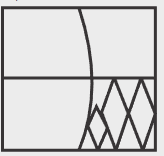
2. Directions: Which answer figure will combine the pattern in the question figure?
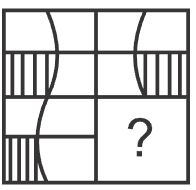
![1718855699496]() (correct)
(correct)![1718855699456]()
![1718855699351]()
![1718855699235]()
 (correct)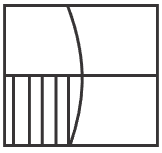
Solution-
On comparing the question figure and all the answer figures, the following figure will combine and make the complete pattern –
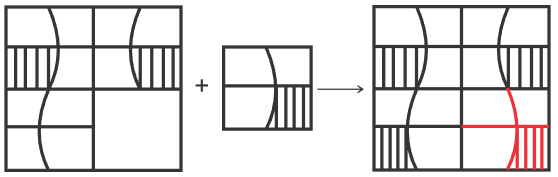
Hence, the first option is correct.
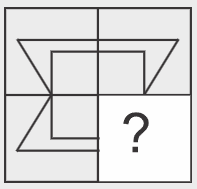
3. Directions: Which answer figure will complete the pattern in the question figure?
![1718855699319]()
![1718855699268]()
![1718855699192]() (correct)
(correct)![1718855699091]()
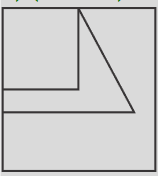 (correct)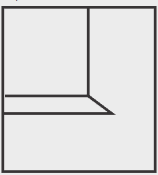
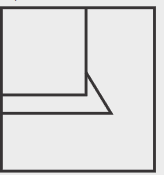
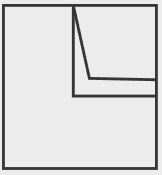
Solution-
On comparing the question figure and all the answer figures, the following figure will combine and make the complete pattern –
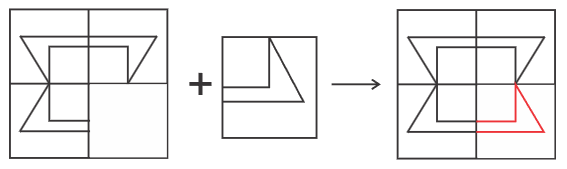
Hence, the third option is correct.
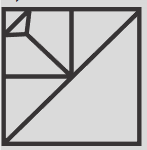
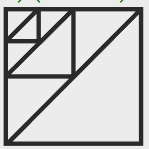
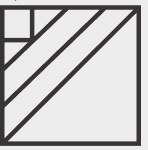
4. Directions: Which answer figure will combine with the pattern in the question figure?
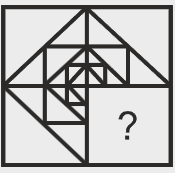
![1718855699152]()
![1718855698834]() (correct)
(correct)![1718855698672]()
![1718855698457]()
 (correct)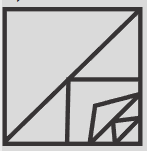
Solution-
On comparing the question figure and all the answer figures, the following figure will combine and make the complete pattern –
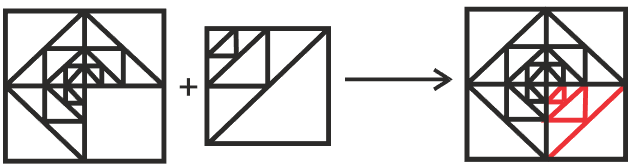
Hence, the second option is correct.
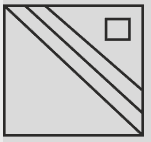
5. Directions: Which answer figure will complete the pattern in the question figure?
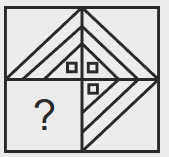
![1718855699045]()
![1718855700627]()
![1718855698043]() (correct)
(correct)![1718855701283]()
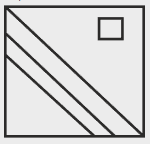
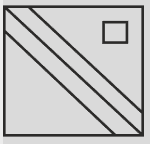
 (correct)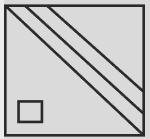
Solution-
On comparing the question figure and all the answer figures, the following figure will combine and make the complete pattern –
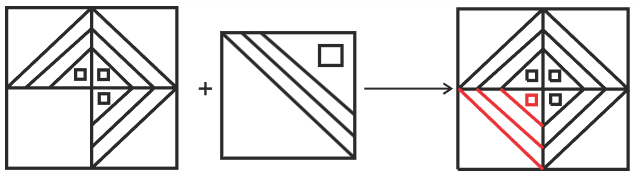
Hence, the third option is correct.
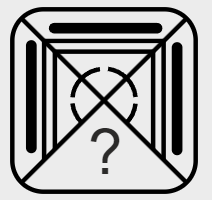
6. Directions: Select the figure from the options that can replace the question mark (?) and complete the pattern.
![1718855700517]()
![1718855697996]()
![1718855697961]() (correct)
(correct)![1718855703175]()
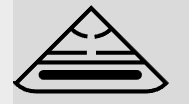
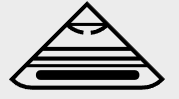
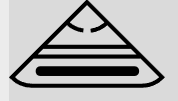 (correct)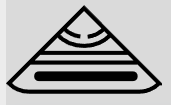
Solution-
On comparing the question figure and all the answer figures, the following figure will combine and make the complete pattern –
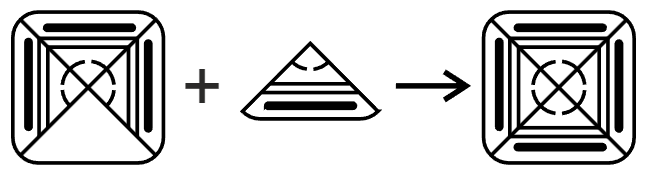
Hence, the third option is correct.
7. Directions: Select the figure from the options that can replace the question mark (?) and complete the pattern.
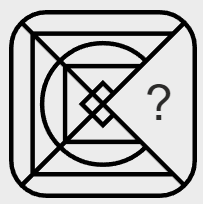
![1718855703095]() (correct)
(correct)![1718855703445]()
![1718855702533]()
![1718855702799]()
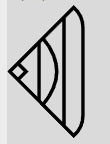 (correct)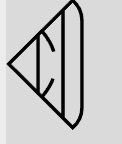
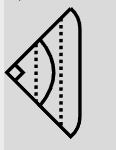
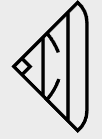
Solution-
On comparing the question figure and all the answer figures, the following figure will combine and make the complete pattern –
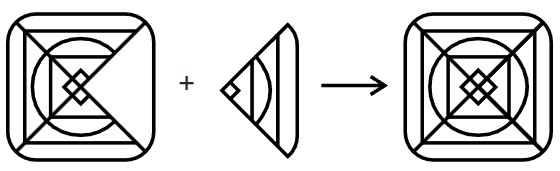
Hence, the first option is correct.
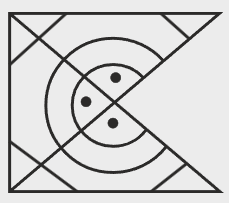
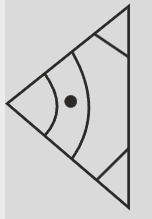
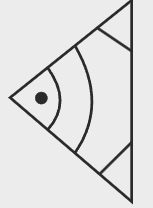
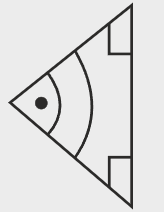
8. Directions: Select the figure from the options that can replace the question mark (?) and complete the given pattern.
![1718855704138]()
![1718855703484]() (correct)
(correct)![1718855702699]()
![1718855702662]()
 (correct)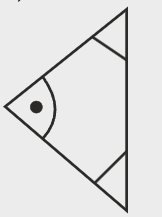
Solution-
On comparing the question figure and all the answer figures, the following figure will combine and make the complete pattern –
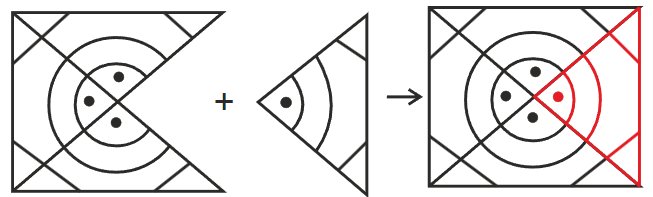
Hence, the second option is correct.
9. Directions: Select the figure from the options that can replace the question mark (?) and complete the given pattern.
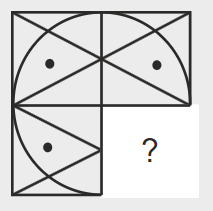
![1718855702588]()
![1718855703689]() (correct)
(correct)![1718855704045]()
![1718855703564]()
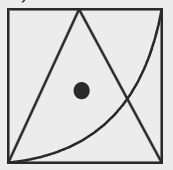
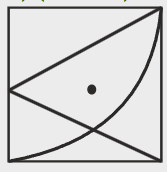 (correct)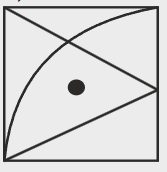
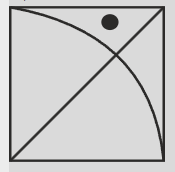
Solution-
On comparing the question figure and all the answer figures, the following figure will combine and make the complete pattern –
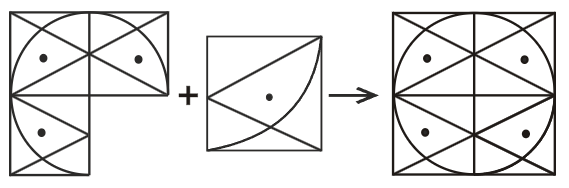
Hence, the second option is correct.
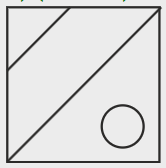
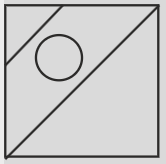
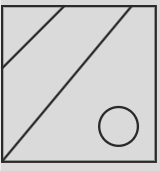
10. Directions: Which answer figure will complete the pattern in the question figure?
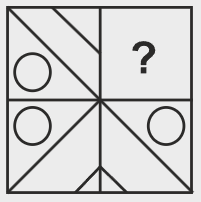
![1718855697690]() (correct)
(correct)![1718855697391]()
![1718855697079]()
![1718855701445]()
 (correct)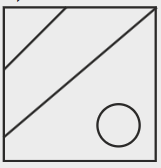
Solution-
On comparing the question figure and all the answer figures, the following figure will combine and make the complete pattern –
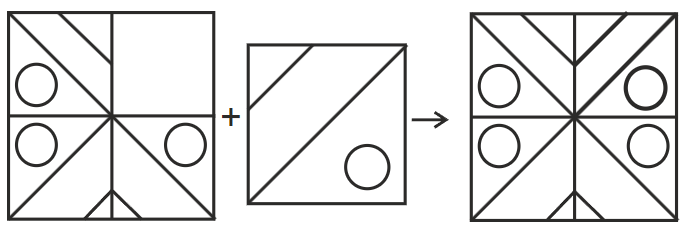
Hence, the first option is correct.
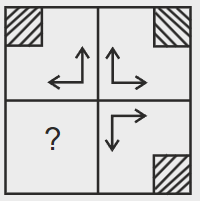
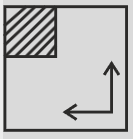
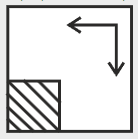
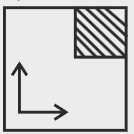
11. Directions: Select the option figure that will replace the question mark (?) in the figure given below to complete the pattern. (Rotation is not allowed.)
![1718855697902]()
![1718855696983]() (correct)
(correct)![1718855697132]()
![1718855697860]()
 (correct)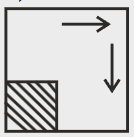
Solution-
On comparing the question figure and all the option figures, the following figure will combine and make the complete pattern –
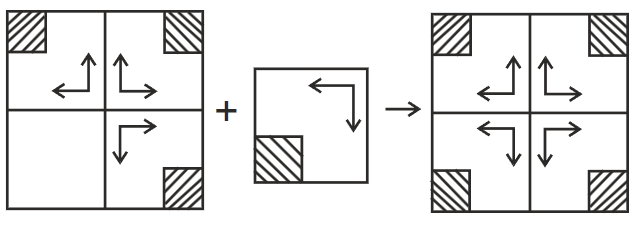
Hence, the second option is correct.
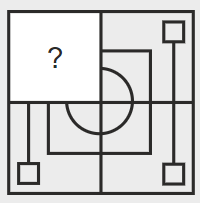
12. Directions: Which answer figure will complete the pattern in the question figure?
![1718855700038]() (correct)
(correct)![1718855695493]()
![1718855697527]()
![1718855697483]()
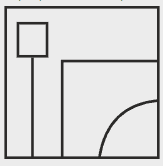 (correct)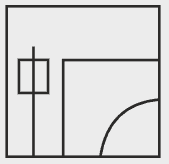
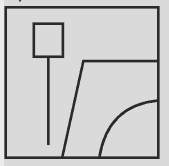
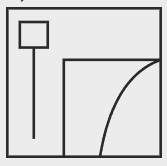
Solution-
On comparing the question figure and all the answer figures, the following figure will combine and make the complete pattern –
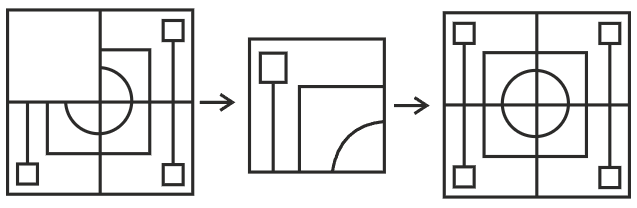
Hence, the first option is correct.
13. Directions: Which answer figure will complete the pattern in the question figure?
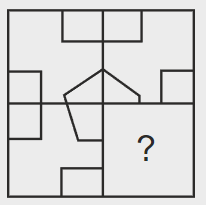
![1718855697023]()
![1718855702971]()
![1718855703041]()
![1718855696949]() (correct)
(correct)
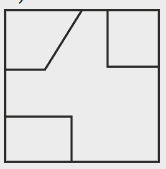
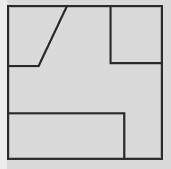
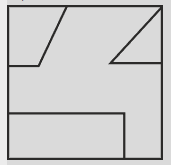
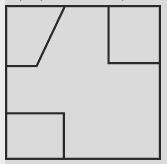 (correct)
Solution-
On comparing the question figure and all the option figures, the following figure will combine and make the complete pattern –
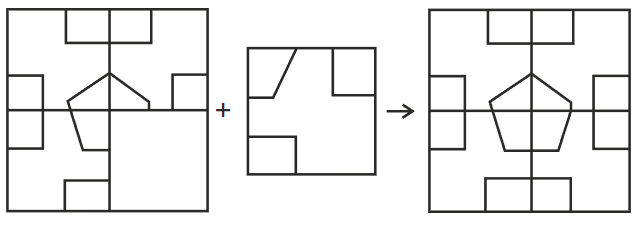
Hence, the fourth option is correct.
14. Directions: Which answer figure will complete the pattern in the question figure?
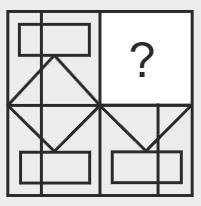
![1718855696848]() (correct)
(correct)![1718855700106]()
![1718855696805]()
![1718855701125]()
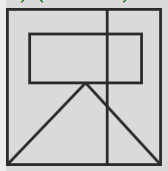 (correct)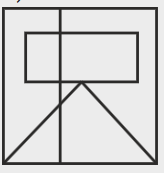
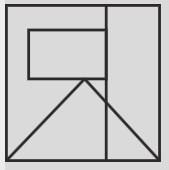
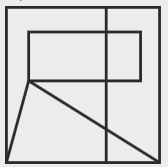
Solution-
On comparing the question figure and all the option figures, the following figure will combine and make the complete pattern –
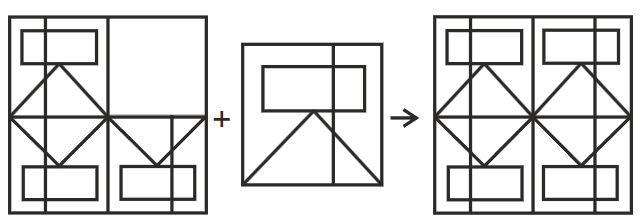
Hence, the first option is correct.
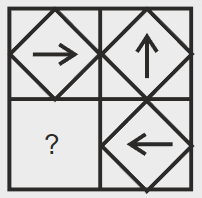
15. Directions: Select the option figure that will replace the question mark (?) in the figure given below to complete the pattern (Rotation is not allowed).
![1718855696721]()
![1718855700355]()
![1718855700556]() (correct)
(correct)![1718855695866]()
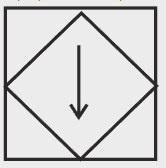 (correct)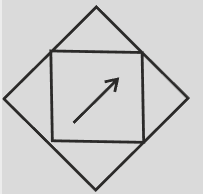
Solution-
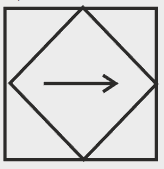
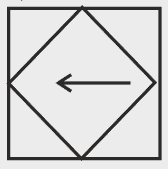
Here, in the given figure the arrow is rotated by 90° in an anticlockwise direction. Therefore, on comparing the question figure and all the answer figures, the following figure will combine and make the complete pattern –
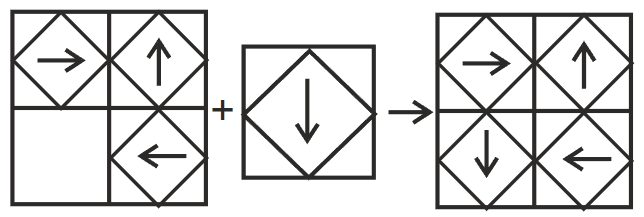
Hence, the third option is correct.
16. Directions: Select the option figure that will replace the question mark (?) in the figure given below to complete the pattern (Rotation is not allowed).
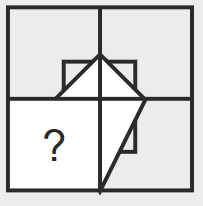
![1718855696688]() (correct)
(correct)![1718855696767]()
![1718855696646]()
![1718855699864]()
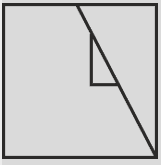 (correct)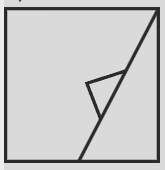
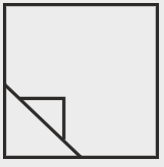
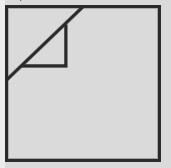
Solution-
On comparing the question figure and all the answer figures, the following figure will combine and make the complete pattern –
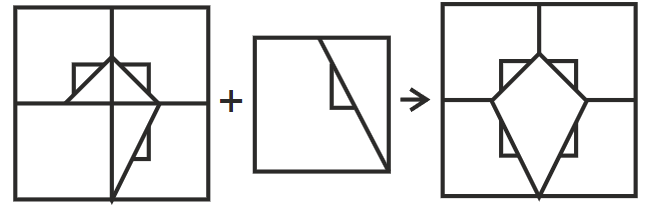
Hence, the first option is correct.
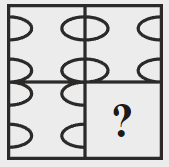
17. Directions: Which answer figure will complete the pattern in the question figure?
![1718855696075]()
![1718855696503]()
![1718855696142]()
![1718855694904]() (correct)
(correct)
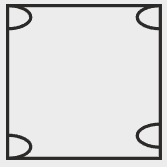
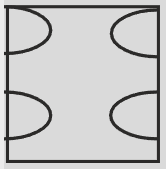 (correct)
Solution-
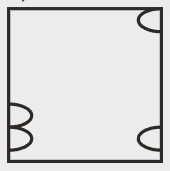
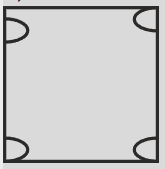
On comparing the question figure and all the answer figures, the following figure will combine and make the complete pattern –
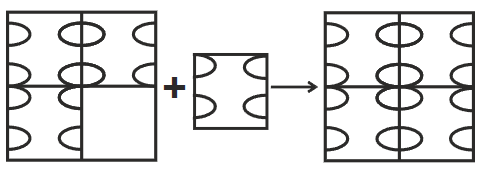
Hence, the fourth option is correct.
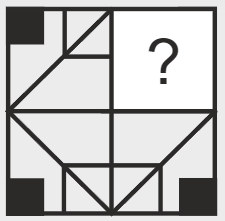
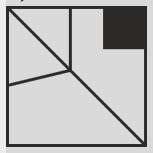
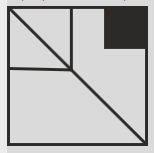
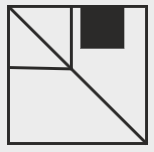
18. Directions: Which answer figure will complete the pattern in the question figure?
![1718855703216]()
![1718855699729]() (correct)
(correct)![1718855701506]()
![1718855699692]()
 (correct)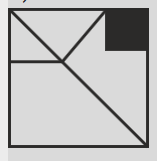
Solution-
On comparing the question figure and all the option figures, the following figure will combine and make the complete pattern –
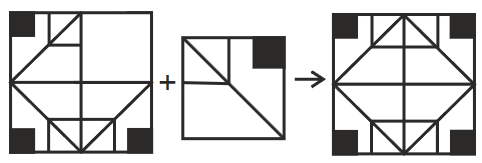
Hence, the second option is correct.
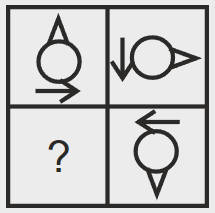
19. Directions: Select the option figure that will replace the question mark (?) in the figure given below to complete the pattern (Rotation is not allowed).
![1718855702156]()
![1718855699776]()
![1718855700669]()
![1718855701201]() (correct)
(correct)
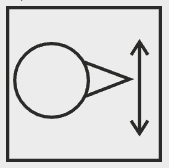
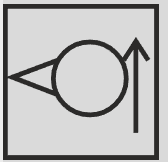 (correct)
Solution-
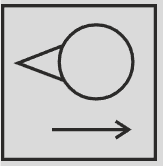
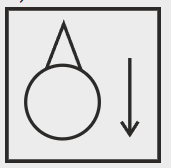
The figure (circle with a cone on the top) with the arrow given in each box is rotated by 90 degrees in the clockwise direction. On comparing the question figure and all the answer figures, the following figure will combine and make the complete pattern –
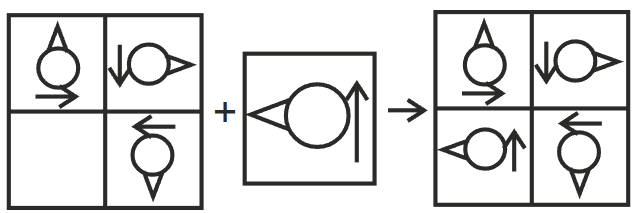
Hence, the fourth option is correct.
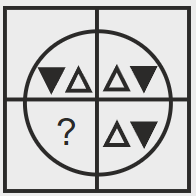
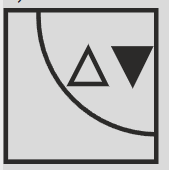
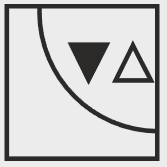
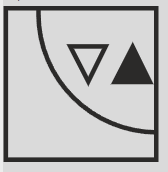
20. Directions: Select the option figure that will replace the question mark (?) in the figure given below to complete the pattern (Rotation is not allowed).
![1718855702096]()
![1718855703010]() (correct)
(correct)![1718855703650]()
![1718855703736]()
 (correct)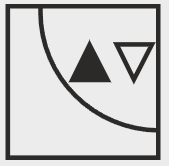
Solution-
On comparing the question figure and all the answer figures, the following figure will combine and make the complete pattern –
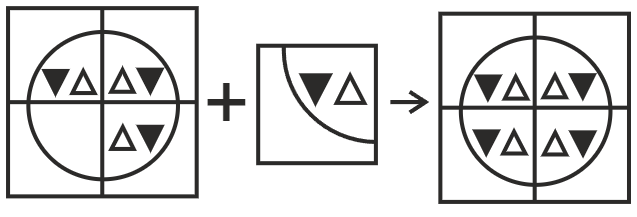
Hence, the second option is correct.
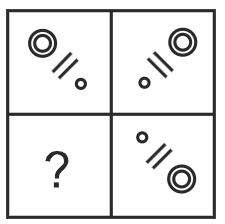
21. Directions: Select the option figure that will replace the question mark (?) in the figure given below to complete the pattern (Rotation is not allowed).
![1718855703345]()
![1718855702630]() (correct)
(correct)![1718855702033]()
![1718855701664]()
 (correct)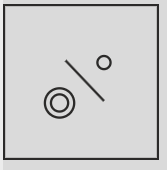
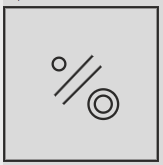
Solution-
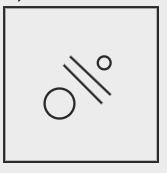
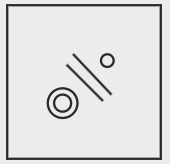
On comparing the question figure and all the answer figures, the following figure will combine and make the complete pattern –
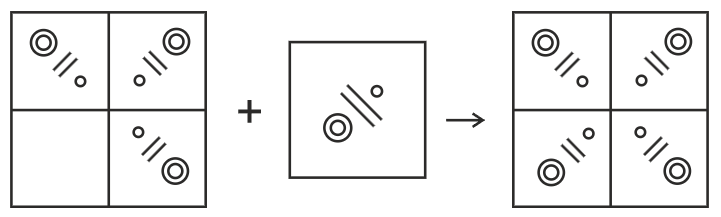
Hence, the second option is correct.
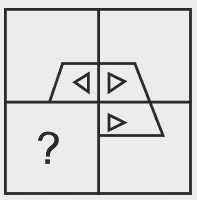
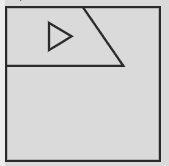
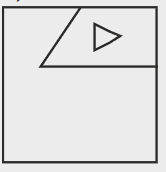
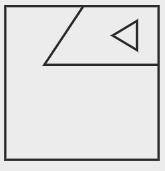
22. Directions: Select the option figure that will replace the question mark (?) in the figure given below to complete the pattern (Rotation is NOT allowed).
![1718855702302]()
![1718855703606]()
![1718855701597]() (correct)
(correct)![1718855703294]()
 (correct)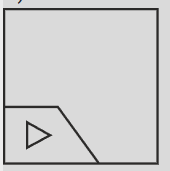
Solution-
On comparing the question figure and all the answer figures, the following figure will combine and make the complete pattern –
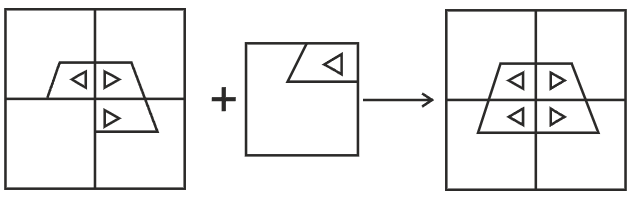
Hence, the third option is correct.
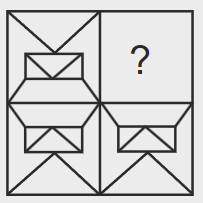
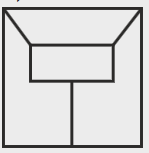
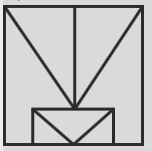
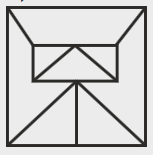
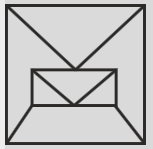
23. Directions: Select the option figure that will replace the question mark (?) in the figure given below to complete the pattern.
![1718855703987]()
![1718855702408]()
![1718855702500]()
![1718855702765]() (correct)
(correct)
 (correct)
Solution-
On comparing the question figure and all the answer figures, the following figure will combine and make the complete pattern –
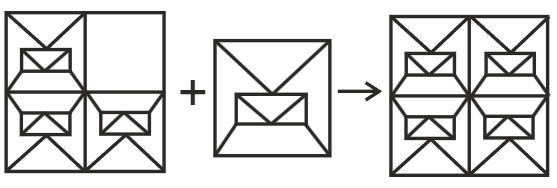
Hence, the fourth option is correct.
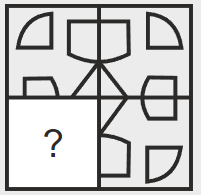
24. Directions: Which answer figure will complete the pattern in the question figure?
![1718855695944]()
![1718855700705]()
![1718855695696]() (correct)
(correct)![1718855700395]()
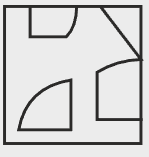
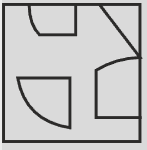
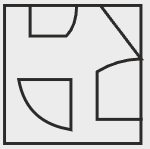 (correct)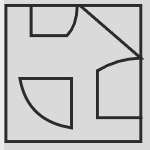
Solution-
On comparing the question figure and all the option figures, the following figure will combine and make the complete pattern –
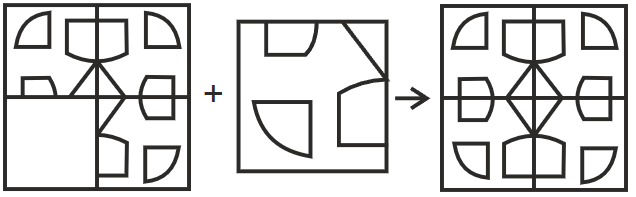
Hence, the third option is correct.
25. Directions: Select the option figure that will replace the question mark (?) in the figure given below to complete the pattern.
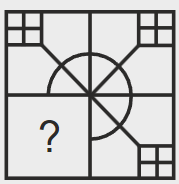
![1718855696017]() (correct)
(correct)![1718855696465]()
![1718855697220]()
![1718855701010]()
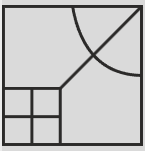 (correct)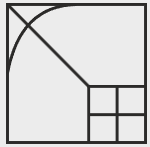
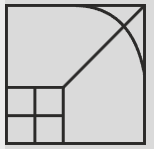
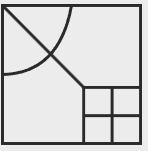
Solution-
On comparing the question figure and all the answer figures, the following figure will combine and make the complete pattern –
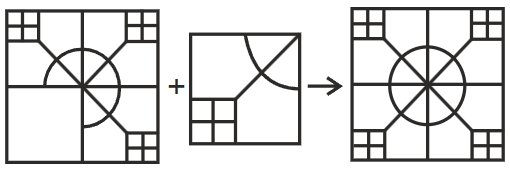
Hence, the first option is correct.
Completion of Figures for SSC CHSL/ SSC MTS/ Railway Recruitment Board exams
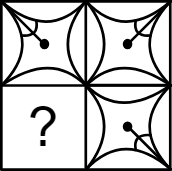
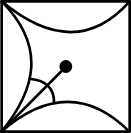
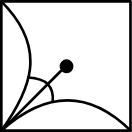
1) Directions: Select the option that can replace the question mark (?) in the given figure and complete the pattern.
1)
2)
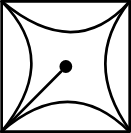
3)
4)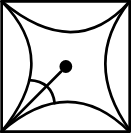
Hint: Visualize the given figure as the figure is divided into four equal parts and the parts that are opposite to each other follow the same pattern.
Solution
On comparing the question figure and all the answer figures, the following figure will combine and make the complete pattern –
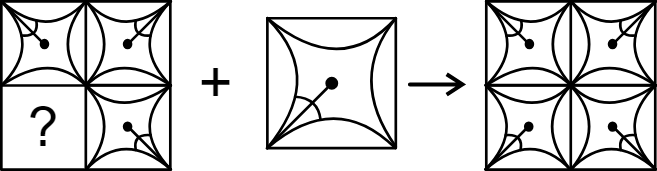
Hence, the fourth option is correct.
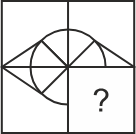
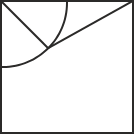
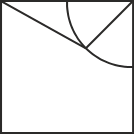
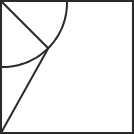
2) Directions: Select the figure from the options that can replace the question mark (?) and complete the pattern.
1)
2)
3)
4)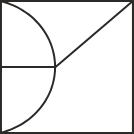
Hint: Check all the option images and identify the figure that completes the question figure.
Solution
On comparing the question figure and all the answer figures, the following figure will combine and make the complete pattern –
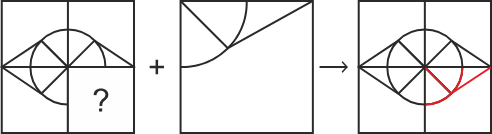
Hence, the first option is correct.
Completion of Figures for SSC Stenographer/ SSC CPO/ SSC CGL exams
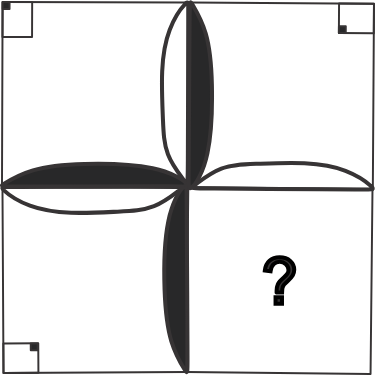
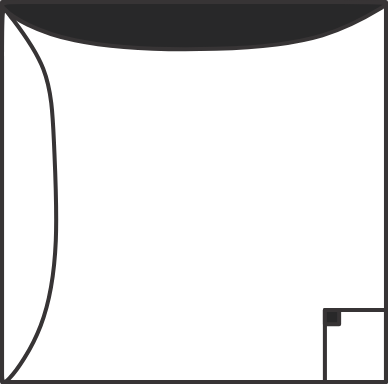
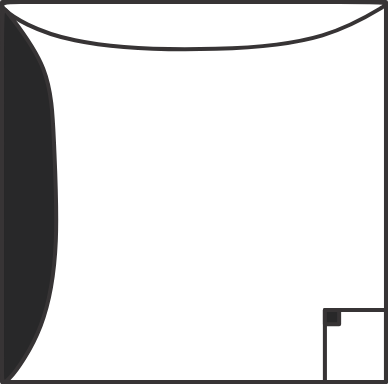
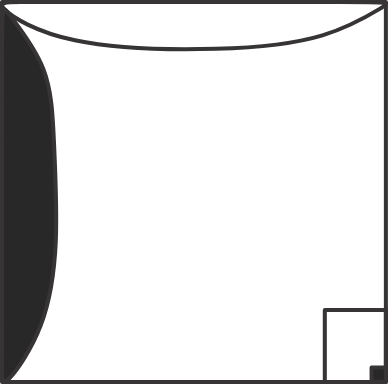
1) Directions: Which answer figure will complete the pattern in the question figure?
1)
2)
3)
4)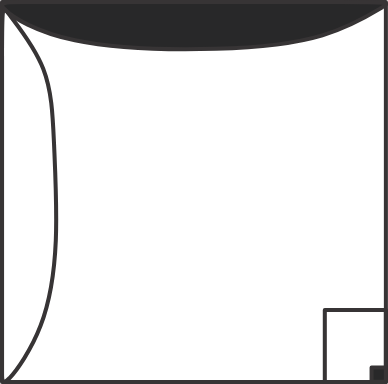
Hint: Compare the question figure and option figures and find out which option will complete the given figure.
Solution
On comparing the question figure and all the answer figures, the following figure will combine and make the complete pattern –
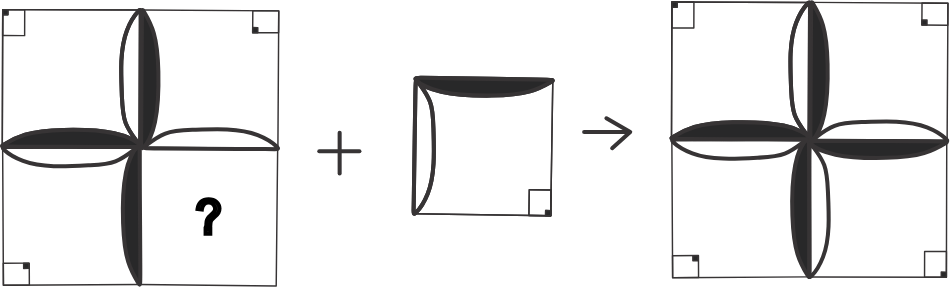
Hence, the fourth option is correct.
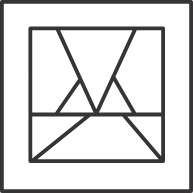
2) Directions: Which answer figure will complete the pattern in the question figure?
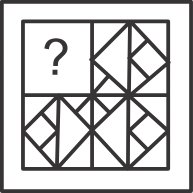
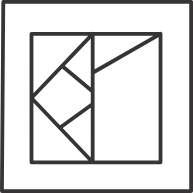
1)
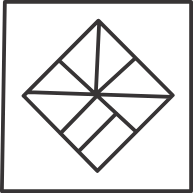
2)
3)
4)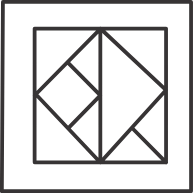
Hint: Compare the question figure and option figures and find out which option will complete the given figure.
Solution
On comparing the question figure and all the answer figures, the following figure will combine and make the complete pattern.
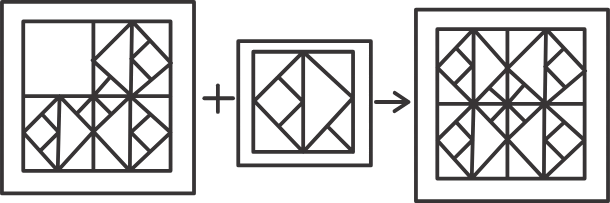
Hence, the fourth option is correct.
Best Books for Completion of Figure Reasoning Preparation
Choosing the right study material is essential to master completion of figure reasoning questions and improve performance in non-verbal reasoning sections.
| Book Name | Author | Key Features | Best For |
|---|---|---|---|
| A Modern Approach to Verbal & Non-Verbal Reasoning | R.S. Aggarwal | Comprehensive coverage, strong practice on figure completion, easy explanations | Beginners to advanced learners |
| Analytical Reasoning | M.K. Pandey | Concept-based learning, advanced reasoning questions, improves analytical ability | CAT, XAT, and higher-level exams |
| A New Approach to Reasoning (Verbal & Non-Verbal) | Arihant Experts | Updated content, shortcut tricks, exam-oriented practice | SSC, Banking, CUET |
| Test of Reasoning | Edgar Thorpe | Covers fundamentals and diverse reasoning questions | All competitive exams |
| Non-Verbal Reasoning | B.S. Sijwali & Indu Sijwali | Focused practice on non-verbal topics including figure completion | SSC, Defence, Banking exams |
| Logical and Analytical Reasoning | A.K. Gupta | Wide coverage with practice sets of varying difficulty | Beginners and intermediate learners |
How to Solve Completion of Figure Reasoning Questions
Completion of figure reasoning requires careful observation and quick pattern recognition to identify the missing part of a given image. Success in these questions depends on spotting visual clues, aligning shapes, and matching patterns accurately. Below are the key steps and techniques to solve such questions effectively.
Step-by-Step Approach to Complete the Pattern
Observe the question figure carefully before looking at the answer figures.
Identify the missing portion and note its position (top, bottom, left, right, or center).
Look for clues like lines, curves, shading, or patterns that extend into the missing part.
Identifying the Missing Part Quickly
Focus on unique shapes, colors, or textures in the question figure.
Use mental visualization to imagine how the completed figure will look.
Check for repeated elements or symmetrical designs.
Matching with the Correct Answer Figure
Compare each option carefully to see if it fits seamlessly into the missing part.
Ensure lines, edges, and patterns align perfectly.
Avoid answers that distort or misalign the overall figure.
Completion of Figures Reasoning Tricks and Techniques
Using smart tricks in completion of figure reasoning can save time and improve accuracy in exams. These techniques focus on spotting symmetry, aligning borders, and eliminating wrong options quickly. Below are some effective methods to apply while solving such questions.
Spotting Symmetry and Repetition
Identify if the question figure follows vertical, horizontal, or diagonal symmetry.
Look for repeating patterns or mirrored sections.
Use symmetry as a shortcut to predict the missing portion.
Using Borders and Lines for Alignment
Follow the edges, lines, or borders in the question figure to see where they continue.
Ensure the answer figure connects all incomplete lines smoothly.
Eliminating Wrong Options Faster
Remove any option with mismatched shapes, colors, or misaligned lines.
Discard figures with extra or missing elements compared to the question figure.
Use the process of elimination to narrow down to the correct choice quickly.
About the Faculty
Tanu Gupta, with over a decade of experience as a reasoning faculty, specializes in preparing students for various entrance examinations and career development. Her extensive work with multiple educational platforms and institutions has honed her expertise in logical and analytical thinking. Her dedication to innovative teaching methods ensures these articles provide practical insights and expert guidance.
Frequently Asked Questions (FAQs)
Completion of figure is a type of non-verbal reasoning question where a part of a figure is missing, and you must select the correct option that completes the pattern logically.
You can solve them faster by identifying patterns such as symmetry, rotation, and repetition, and by using elimination techniques to narrow down options.
Common patterns include symmetry, mirror images, rotation, sequence of shapes, and continuation of lines or designs.
To ace the figure completion topic practice the maximum number of questions possible to get a knowledge of the pattern related to orientations, size, colour, and shapes. Try to solve those questions first that are easier to determine and then revisit the challenging ones to manage time as well.
No, there is no short trick to solve the questions based on figure completion. Aspirants just need to work on the basics of every subject asked in your exam and you are good to go.