


Algae - Types & Examples, Defination
Algae are simple autotrophic organisms that live mostly in aquatic habitats like freshwater lakes, rivers and oceans. They may be unicellular microalgae to large multicellular seaweeds. These algae perform an important role in the aquatic ecosystem by producing oxygen and serving as a food resource for many aquatic animals. The types of algae include green algae, red algae, brown algae and blue-green algae (Cynobacteria). Each type of algae group has unique pigments, structure and roles. In biology, algae are classified under the Plant Kingdom.
This Story also Contains
- Algae Definition
- Characteristics of Algae
- Types of Algae
- Examples of Algae
- Uses of Algae
- Algal Biofuel
- MCQs on Algae for NEET
- Recommended Video on Algae
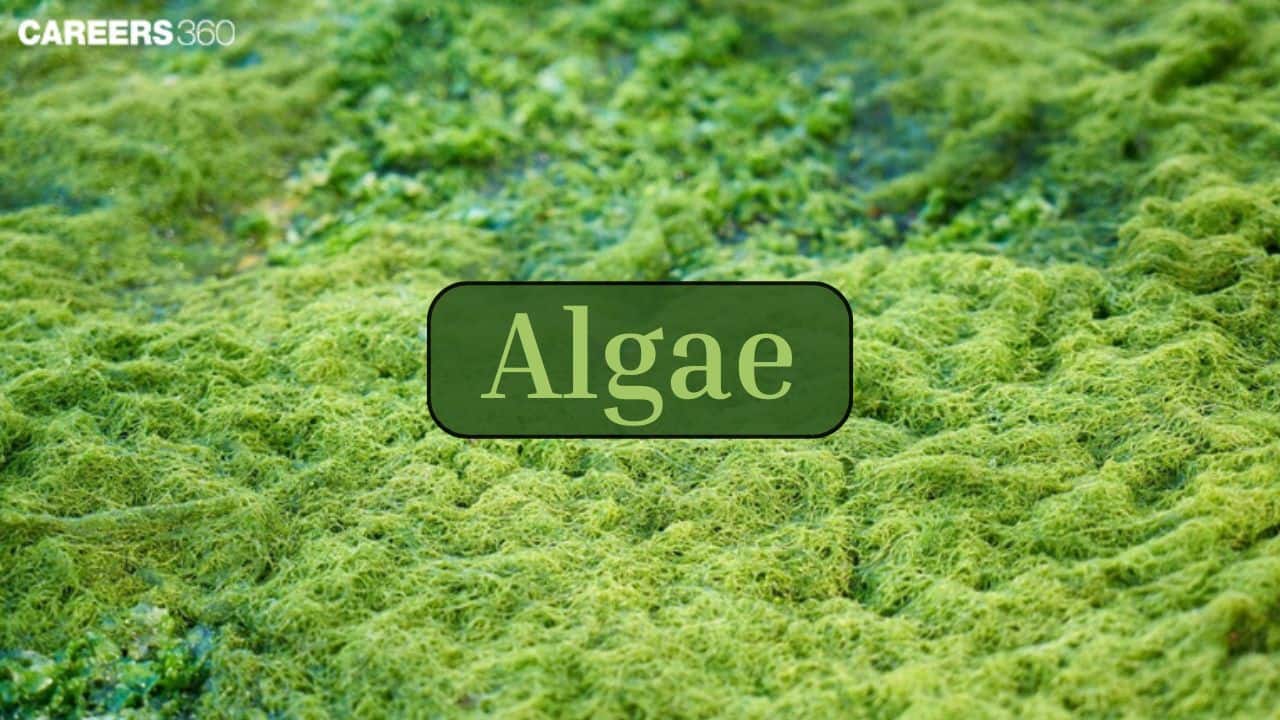
The characteristics of algae show their diversity from unicellular diatoms and dinoflagellates to large kelp forests. The uses of algae are wide, such as food, medicine, heath supplements. They are used as a renewable energy source as an algal biofuel. This article covers the different types of algae, uses of algae, especially their growing importance for algal biofuel. Understanding algae helps in studying their role in nature and how to benefit both the ecosystem and humans. This makes algae an important topic in NEET Biology and Class 11 Plant Kingdom.
Algae Definition
Algae are simple, autotrophic organisms that produce energy through photosynthesis using sunlight. They may be unicellular (like Chlamydomonas) or multicellular (like Seaweeds).
Algae can belong to different Plant Kingdom taxonomic groups, such as green algae, brown algae, and red algae. They live in diverse environments, including freshwater, marine water, moist soil, and rocks. Algae play an essential role in oxygen production and form the base of aquatic food chains.
Characteristics of Algae
Algae represent a simple, autotrophic organism capable of generating energy from sunlight through photosynthesis in algae. It may be unicellular microalgae or multicellular forms like seaweeds. Besides their existence in different kinds of environments, algae also play an essential role in oxygen production and ecosystem balance.
Some general characteristics of algae are:
Algae are chlorophyllous and photosynthetic in nature.
They are found in a wide variety of habitats. Some may be exclusively freshwater, while others can be perfectly saltwater species.
Algae reproduce both sexually and asexually, although the latter method is their main mode of reproduction.
The structure of algae is a simple unicellular, filamentous, sheet‑like, or branched thallus.
Algae exhibit different colours because of the occurrence of the various pigments present: green algae, brown algae, or red algae.
It includes unicellular forms like diatoms and dinoflagellates, and large kelp forests.
Types of Algae
The types of algae are classified into major groups: green algae, red algae, brown algae, and blue‑green algae (cyanobacteria). Each group has unique pigments, structures, and ecological roles. Some algae are unicellular, like diatoms and dinoflagellates, while others form large kelp forests. Studying the characteristics of algae and their diversity is important in biology, especially under the Plant Kingdom algae for NEET and Class 11 exams. The classification of the types of algae is outlined as follows:
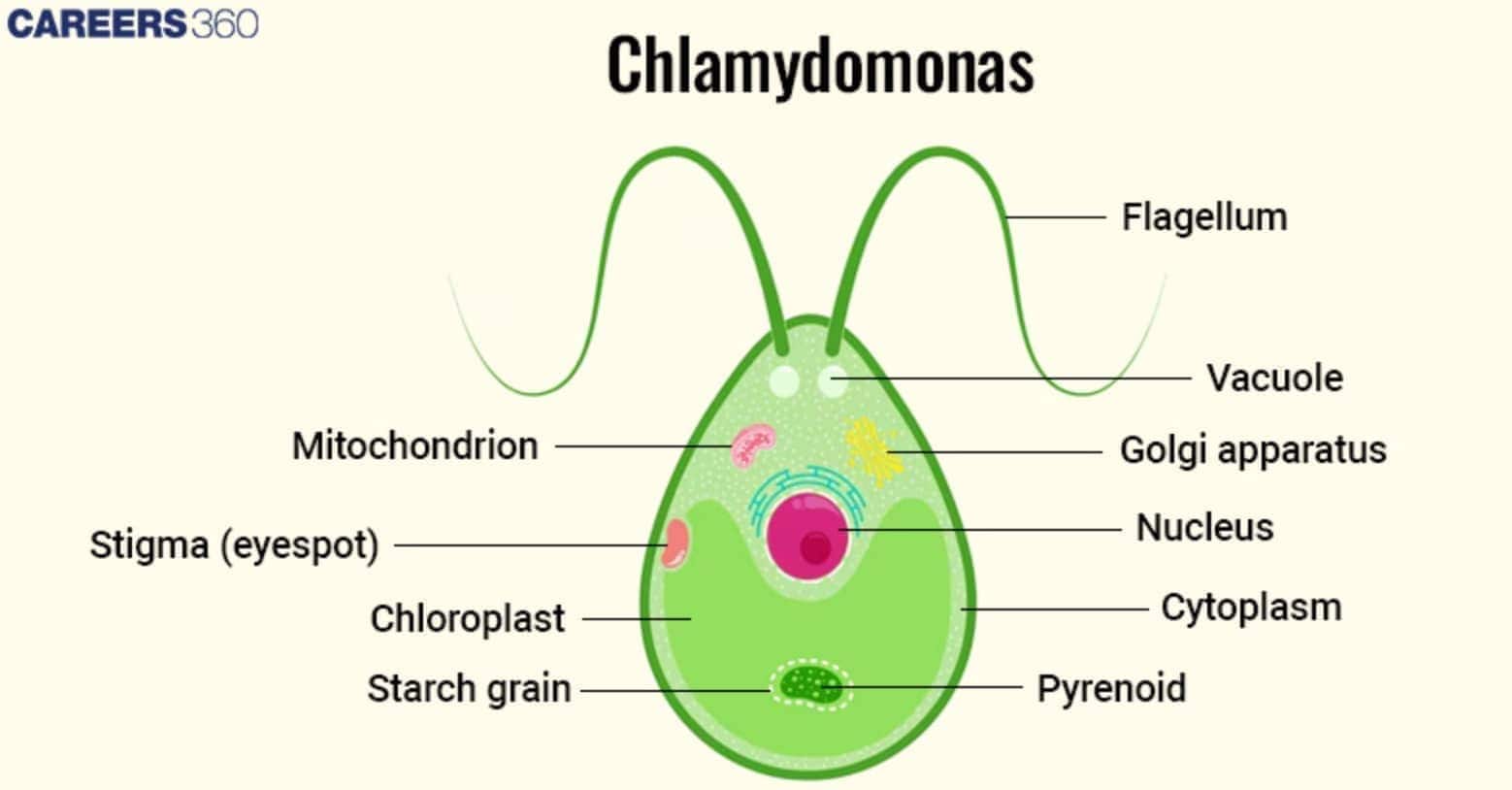
Chlorophyta (Green Algae)
Range from simple organisms such as Chlamydomonas to complex forms.
They contain chloroplasts with chlorophylls A and B.
Cell walls are made of cellulose.
Found in moist terrestrial habitats (such as soils and rocks) and freshwater.
Example- Volvox, Chlamydomonas, Spirogyra. Ulva (sea lettuce)
Phaeophyta (Brown Algae)
Fucoxanthin is a pigment that gives brown algae seaweeds their brown or olive colour.
They are large, multicellular forms like kelp.
Common in cool coastal environments like coastal rocks
Have kelp beds with a high concentration of nutrients.
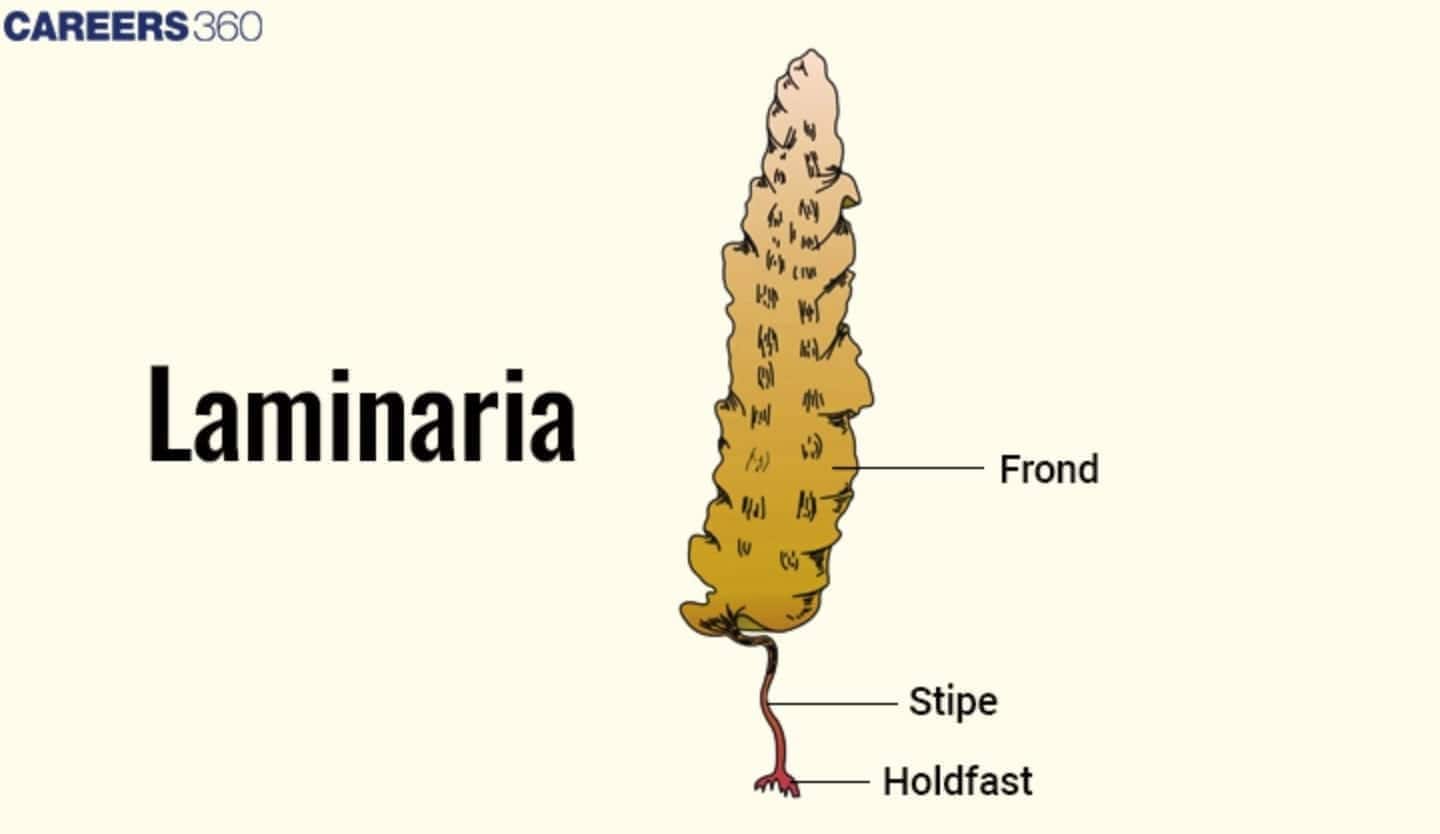
Examples- Sargassum, Fucus (Rockweed), Laminaria (Kelp)
Rhodophyta (Red Algae)
Rhodophyta are characterised by their red to purplish colour due to phycoerythrin pigment.
They are multicellular algae predominantly found in marine habitats.
Red algae thrive in various marine environments, forming large beds or reefs.
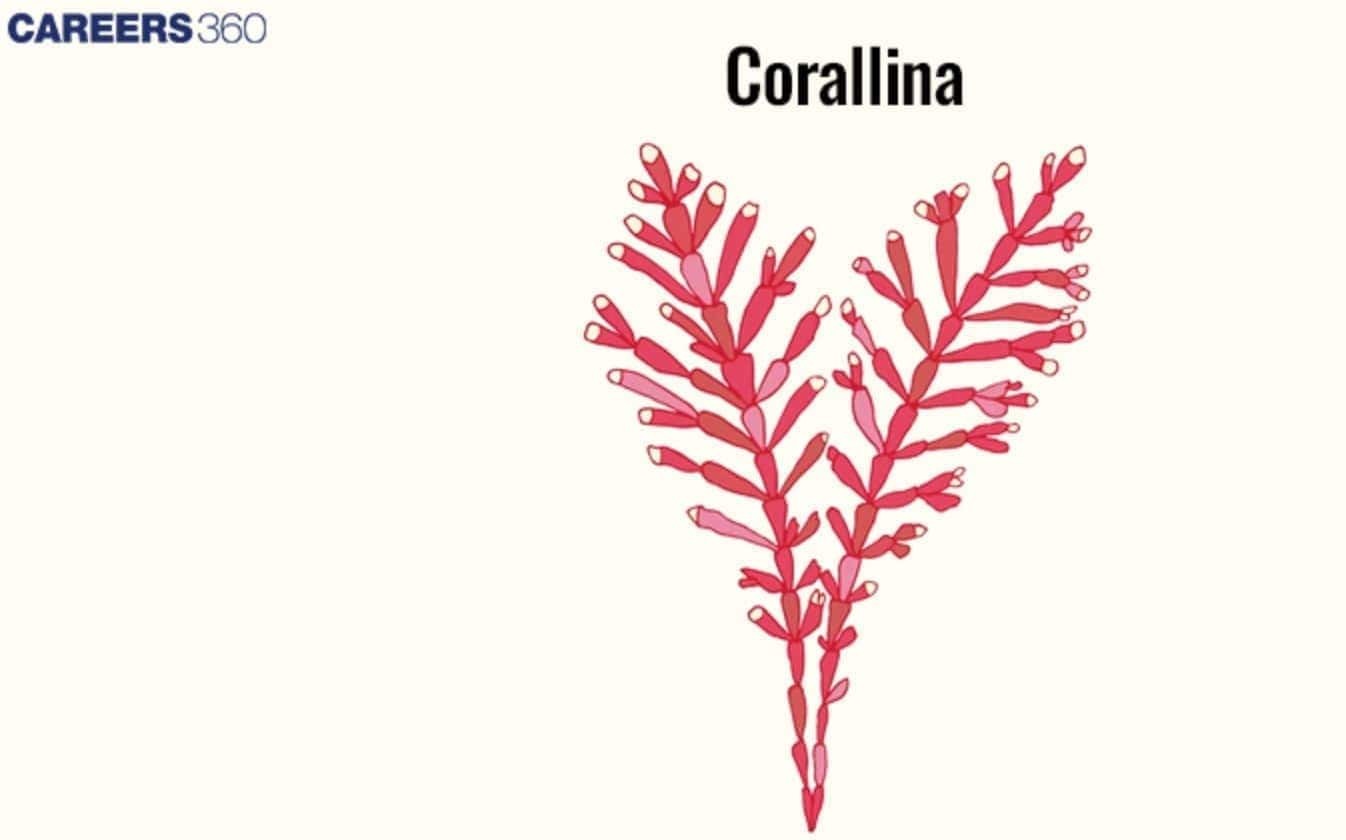
Examples- Gelidium, Porphyra (Nori), Corallina
Blue-Green Algae (Cyanobacteria)
Also known as cyanobacteria are a group of photosynthetic algae
They can exist as single cells or form multicellular colonies.
Characterised by their blue-green colouration due to chlorophyll a and the pigment phycocyanin.
Can be found in a variety of aquatic environments, including freshwater lakes, ponds, rivers, and aquatic ecosystems.
Examples- Anabaena, Microcystis, Nostoc
Other Types of Algae
Diatoms: Unicellular algae encased in silica walls (frustule), exhibiting diverse shapes like cylindrical and star-like forms. They are essential for converting carbon dioxide into oxygen. They are found in both freshwater and marine environments. Diatoms dominate nutrient-rich areas and form an important part of the aquatic food chain.
Examples- Navicula, Diatomaceous Earth
Dinoflagellates: Unicellular algae possessing two flagella, allowing them to swim. They can be autotrophic, photosynthetic, or heterotrophic. These algae are prevalent in both marine and freshwater environments and can cause harmful algal blooms.
Examples: Symbiodinium, Gonyaulax
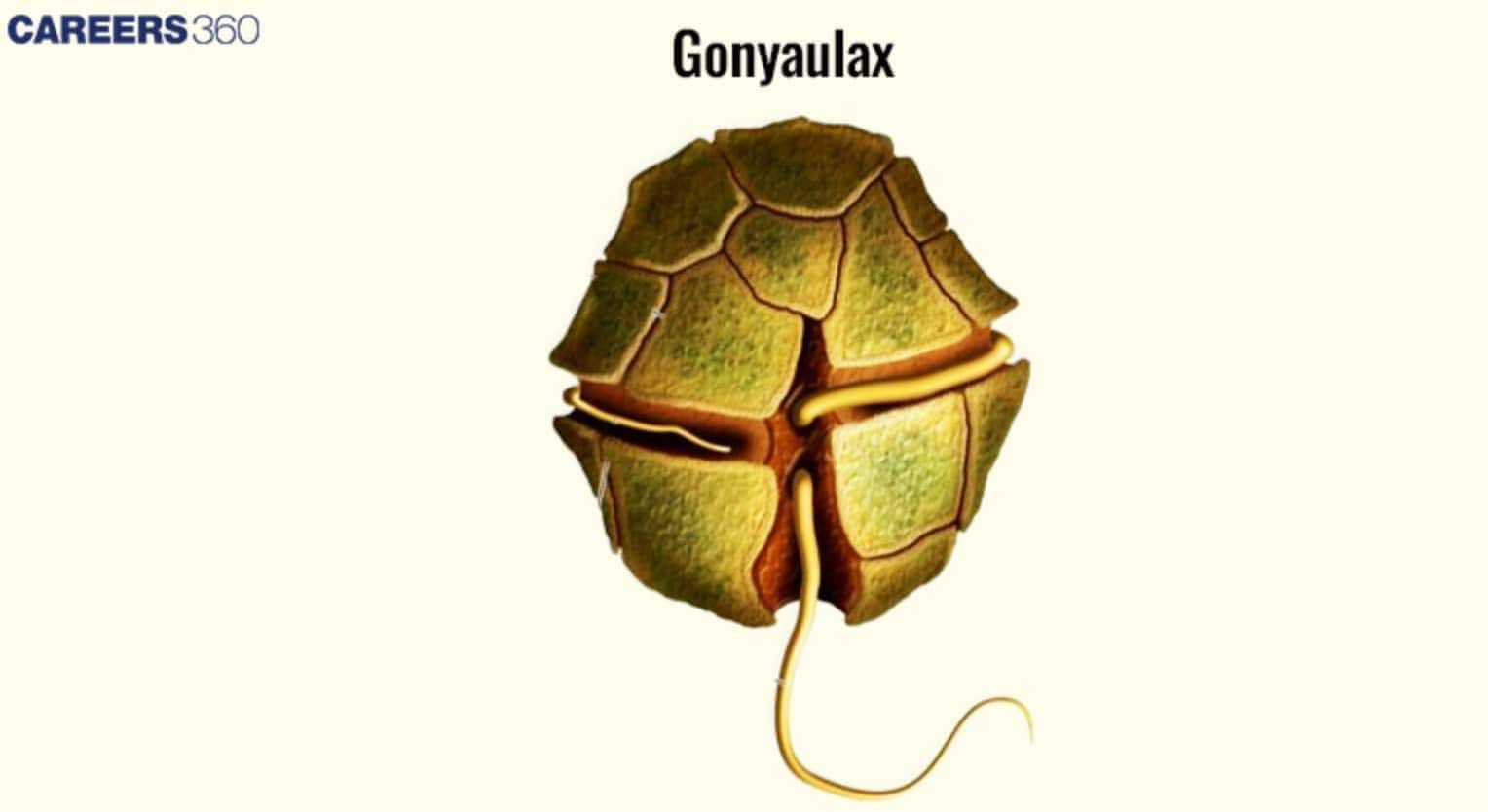
Examples of Algae
Some notable examples of algae include:
Chlorella: A unicellular green alga known for its high nutritional value.
Spirulina: A cyanobacterium that is often consumed as a health supplement.
Nori: A red alga used in sushi.
Ulva (Sea Lettuce): A green alga eaten as food in coastal regions.
Laminaria (Kelp): A brown alga used in medicine and the food industry.
Sargassum: A floating brown alga forming large mats in oceans.
Gelidium: A red alga used in agar production.
Navicula (Diatoms): Unicellular algae with silica walls, major oxygen producers.
Dinoflagellates (e.g., Gonyaulax): Unicellular algae that can cause algal blooms.
Anabaena: A blue‑green alga (cyanobacterium) known for nitrogen fixation.
Uses of Algae
Algae are important for both ecosystems and humans. They produce oxygen and absorb carbon dioxide. They form the base of the aquatic food chain. Beyond ecology, algae have wide applications, such as in food, medicine, and industry.
Food:
Green algae (Ulva, Chlorella) are eaten as vegetables and supplements.
Red algae (Nori, Gelidium) are used in sushi and agar production.
Spirulina (cyanobacteria) is consumed worldwide as a health supplement, rich in protein and vitamins.
Medicine:
Brown algae (Laminaria, Sargassum) are used in traditional medicine and modern drugs.
Compounds from algae show antibacterial, antiviral, and antioxidant properties.
Agar and carrageenan from red algae are used in medical labs.
Industry:
Algae are used in cosmetics, fertilisers, and wastewater treatment.
Diatoms with silica walls are used in filtration and polishing.
Dinoflagellates contribute to bioluminescence research.
Algal Biofuel
Another use of algae is to produce biofuel. Lipids are produced by the cultivation of algae for biofuel. This renewable energy offers a sustainable substitute for fossil fuels. Algal biofuel has great potential because, in comparison to conventional crops, algae can develop quickly and effectively. It yields large amounts of algal biofuel per acre. Research shows algae as a promising solution for future energy needs.
MCQs on Algae for NEET
Question: Which one of the following shows isogamy with nonflagellated gametes?
Sargassum
Ectocarpus
Spirogyra
Chara
Correct Answer: 3) Spirogyra
Explanation:
Sexual reproduction in algae takes place through the fusion of two gametes. It can be of the following types:
1. Isogamous- Fusion of two gametes of similar in size, either flagellated or non-flagellated. Eg., Chlamydomonas(gametes are flagellated and similar in size) , (gametes are non-flagellated and similar in size).
2. Anisogamous- Fusion of two gametes of disimilar in sizSpirogyra e. Eg., Some species of Chlamydomonas, Ectocarpus secundus.
3. Oogamous- Fusion of small motile male gamete and large non-motile female gamete. Eg., Volvox, Fucus, Ectocarpus, Chara.
Hence, the correct answer is option 3) Spirogyra .
Question: Deepest algae in the sea are
Brown algae
Red algae
Green algae
Golden algae
Correct Answer: 2)Red algae
Explanation:
Phycocyanin-pigmented red algae live in the deepest parts of the ocean because they possess an extraordinary ability to absorb blue-green light, which passes through water more successfully than other wavelengths. Photosynthesis in low light occurs with the help of the pigment in red algae; hence, they can survive in deep-sea areas where light is scarce. Red algae can grow in greater depths than green and brown algae since the latter two do not have this adaptation.
Hence, the correct answer is option 2) Red algae
Question: Which algal groups have similarity in pigment composition?
Red algae and brown algae
Green algae and blue-green algae
Kelps and diatoms
Diatoms and euglenoids
Correct Answer:3) Kelps and diatoms
Explanation:
Pigments in various groups of Algae: Red algae: chlorophyll a, d, and phycoerythrin. Brown algae: chlorophyll a, c, and fucoxanthin. Fucoxanthin (brown pigment)- Kelps and diatoms The two main types of pigment found in the euglenoids are the green chlorophyll and the orange-red carotenoids.
Hence, the correct answer is option 3) Kelps and diatoms
Recommended Video on Algae
Frequently Asked Questions (FAQs)
Algae are simple autotrophic organisms that produce energy through photosynthesis and live mostly in aquatic habitats.
The main types are green algae, red algae, brown algae, and blue-green algae (cyanobacteria).
Algae are chlorophyllous, photosynthetic, reproduce sexually and asexually, and show diverse thallus structures.
Examples include Spirogyra, Volvox, Ulva (green algae), Fucus, Laminaria (brown algae), and Polysiphonia, Gelidium (red algae).
Examples include Chlamydomonas, Spirogyra, Ulva, Laminaria, Porphyra, Gelidium, Navicula, and Anabaena.

Questions related to
On Question asked by student community
Hi Anushka mishra,
Algae are green, plant-like organisms that contain chlorophyll and make their own food by photosynthesis (example: Spirogyra).
Fungi do not have chlorophyll and cannot make their own food; they depend on dead or living organisms for nutrition (example: Mushroom or Yeast).
Hello reader,
Chlorella and Spirulina are algae used as food supplements by space travellers. Especially they are used because,
- They both are rich source of proteins, vitamins and minerals
- They are small and easy to cultivate
- Chlorella produces oxygen which is helpful in space
- Chlorella also recycles carbon dixode
Due
Correct Answer: CADB
Solution : The correct choice is the third option.
The logical flow of information is:
- The paragraph illustrates the concept of omnivores and their dietary adaptability. It begins (C) by defining omnivores as animals capable of thriving on both plant and animal substances.
- Following this, (A) details
Correct Answer: Hematology : Blood
Solution : Given:
Phycology : Algae (Here, Phycology is the scientific study of algae.)
First option: Eccrinology : Amphibians; Eccrinology is the branch of medical science concerned with secretions of the eccrine glands.
Second option: Selenography : Secretions; Selenography is the study of the moon's