KCC Institute of Legal and Higher Education, Greater Noida
Law Admissions 2026 Open | Avail Merit-Based Scholarships


Biotechnology Definition: Biotechnology is the use of living organisms, biological systems, or biological techniques to create useful products and improve lives. Biotechnology combines biology and technology. It helps in medicine, agriculture, industry, and the environment. Biotechnology examples include genetic engineering, tissue culture, recombinant DNA, and bioprocessing. Students must learn biotechnology meaning, definition, and scope for Class 12 Biology and NEET exams.
This Story also Contains
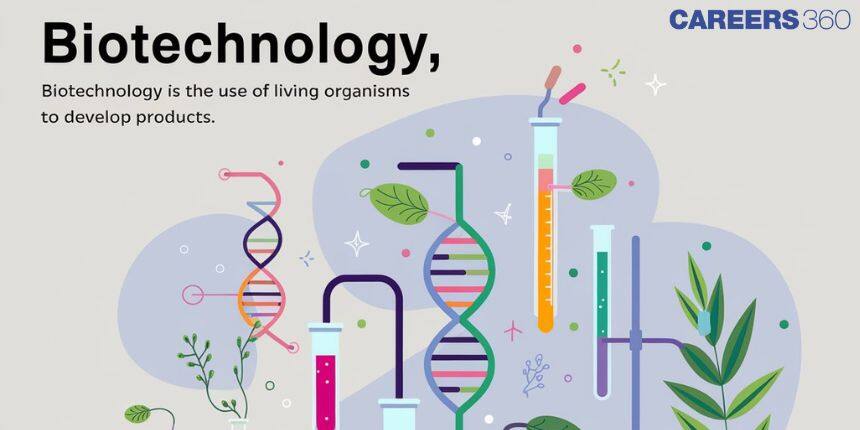
Biotechnology and its applications are wide produce vaccines, antibiotics, insulin, and genetically modified crops. It also helps in biofuels, bioremediation, and food processing. The benefits of biotechnology include better healthcare, improved farming, sustainable industry, and eco-friendly solutions. The biotechnology importance is high in modern science. Students should study the biotechnology definition, examples, applications, and benefits for board exams and competitive exams.
Biotechnology is the application of research in biology with technology to solve problems and create new products that will improve our quality of life. For hundreds of years, humans have been using natural processes to produce various goods, including bread, cheese, and wine. Advanced Biotechnology Principles and Processes applies complicated techniques in the fields of genetics, health care, agriculture, and environmental protection.
Law Admissions 2026 Open | Avail Merit-Based Scholarships
BBA/MBA/PGDM Early Bird Applications Deadline 19th Oct '26. Apply now using coupon code CAREER250 and get ₹250 off the application fee
Biotechnology is divided into several types based on their application in various areas. Some major types include:
It is the area of biotechnology in which biological techniques are adopted to improve human health. Living cells are used to form medicine, vaccines, and other drugs by scientists to help prevent and cure disease. Examples are:
Biotechnology helps prepare vaccines and antibiotics that protect people from diseases and infections.
The scientists of gene therapy repair the faulty genes to restore them so that the patients can be cured of genetic disorders.
This research provides the opportunity for doctors to replace or repair damaged tissues and organs, offering hope that such conditions such as diabetes, heart disease, and injuries might be cured.
Medical biotechnology has led to a new way of treating patients in accordance with their unique genetic condition, a better-known approach known as personalised medicine.
Agricultural biotechnology primarily deals with developing resistance in crops and animals through genetic alteration.
Genetic alteration is the process by which scientists change the types of genes in plants or animals to make them more resistant or adaptive to a particular climate.
Some genetically modified crops, like Bt-cotton and Bt-brinjal, are developed with genes incorporated from a bacterium called Bacillus thuringiensis, which is responsible for the plant's resistance against pests.
Other possibilities with crop design are to make them thrive in harsh conditions, whether in drought, high salt, or cold temperatures, making their yield more reliable, especially in extreme weather conditions.
Golden Rice is further enhanced with Vitamin A, which deals with malnutrition in areas where the people's nutrition lacks this important nutrient.
With the help of agricultural biotechnology, increasing crop yields and making plants more disease-resistant, promotes higher food production and hunger reduction.
Industrial biotechnology applies biological processes to manufacture various useful products, such as enzymes, detergents, and cosmetics.
It also enables the development of biofuels made from plants and other organic matter that provide a cleaner, more environmentally friendly alternative to traditional fossil fuels.
One interesting example is the use of biotechnology in the manufacture of products such as spider silk, which is very strong. Scientists have come up with a method of producing silk by extracting genes from spiders and introducing them to goats, therefore, the production of silk can easily be manufactured in goat milk.
Environmental biotechnology relates to the use of biology in the protection and improvement of the environment. This includes the utilisation of:
Bioremediation, whereby polluted areas are cleaned by the use of microorganisms.
By applying biotechnology to produce degradable forms of plastics that would break down in the environment, thereby eliminating plastic waste.
Production of renewable bioenergy resources, for instance, biofuels, substitution for the use of hazardous fossil fuels and reduction of greenhouse gas emissions.
Biotechnology has far-reaching applications in life. Some of the applications of biotechnology include:
Biotechnology also improves food with added vitamins and minerals lacking in regions where such nutrients are not enough.
An example is the bioengineered variety known as Golden Rice, containing beta-carotene, a chemical converted by the body into Vitamin A.
This vitamin helps improve eyesight, along with other health problems.
Biotechnology develops crops that can survive under harsh conditions.
Such genetically modified crops may overcome drought, cold, salinity and other extreme conditions and ensure food production at places not well suited for farming.
Biotechnology uses renewable and clean plant materials to produce biofuels.
Produces renewable biofuels to minimise dependence on fossil fuels and decrease greenhouse gases in the atmosphere.
Biotechnology helps to develop new medicines and vaccines that improve health and deal with serious diseases.
Many of the drugs and therapies used today, such as insulin to control diabetes, have been made by using biotechnology.
Biotechnology benefits are seen in medicine, agriculture, industry, and environment. It improves healthcare with vaccines and antibiotics, increases crop yield with genetically modified plants, supports industries with biofuels and enzymes, and protects nature through bioremediation.
Biotechnology in Medicine – It produces vaccines, antibiotics, recombinant insulin, and gene therapy.
Biotechnology in Agriculture – It helps creating genetically modified crops, pest‑resistant plants, and biofertilizers.
Biotechnology in Industry – It is used in fermentation, enzyme production, biofuels, and food processing.
Biotechnology in Environment – It helps in bioremediation, sewage treatment, and waste management.
Biotechnology in Forensics – It is used in DNA fingerprinting and genetic testing for crime investigation.
The Biotechnology Innovation Organisation (BIO) facilitates biotechnology research and development by ensuring the promotion of such operations to promote companies and researchers to find solutions in healthcare, agriculture, and environmental sustainability.
Biotechnology, therefore, shows a function of biology and technology, together providing a way for solving and improving the world.
Frequently Asked Questions (FAQs)
Biotechnology is the use of living organisms, cells, and biological systems to make useful products.
Examples include vaccines, antibiotics, genetically modified crops, biofuels, and DNA fingerprinting.
Medical biotechnology allows for the production of vaccines, antibiotics, and gene therapies that help cure diseases, while also enabling personalised medicine based on individual genetic profiles.
Applications are seen in medicine, agriculture, industry, environment, and forensic science.
Benefits include better healthcare, higher crop yield, sustainable industry, and eco‑friendly solutions.
DNA fingerprinting is used in crime investigation, paternity testing, and forensic science.


Law Admissions 2026 Open | Avail Merit-Based Scholarships
BBA/MBA/PGDM Early Bird Applications Deadline 19th Oct '26. Apply now using coupon code CAREER250 and get ₹250 off the application fee
Ranked #36 amongst institutions in Management by NIRF | 100% Placement
Globally Recognized by AACSB (US) & AMBA (UK) | 18 LPA Avg. CTC for PGPM 2026
Leading Design College | 95% Placement Record | Merit-cum-Means Scholarships for Deserving Students
NEET PG All India & State College Predictor with Admission Process Guide