KCC Institute of Legal and Higher Education, Greater Noida
Law Admissions 2026 Open | Avail Merit-Based Scholarships


The gastrointestinal (GI) tract is the main system for digestion. It is a long canal that runs from the mouth to the anus. It helps in breaking food into nutrients. The gastrointestinal tract is responsible for digestion, absorption of nutrients, and elimination of waste. It absorbs vitamins, minerals and water. The gastrointestinal tract includes the mouth, oesophagus, stomach, small intestine and large intestine. It also works with accessory glands like the liver and pancreas. This guide explains gastrointestinal tract anatomy, functions, common disorders of the gastrointestinal tract and their preventive measures.
This Story also Contains
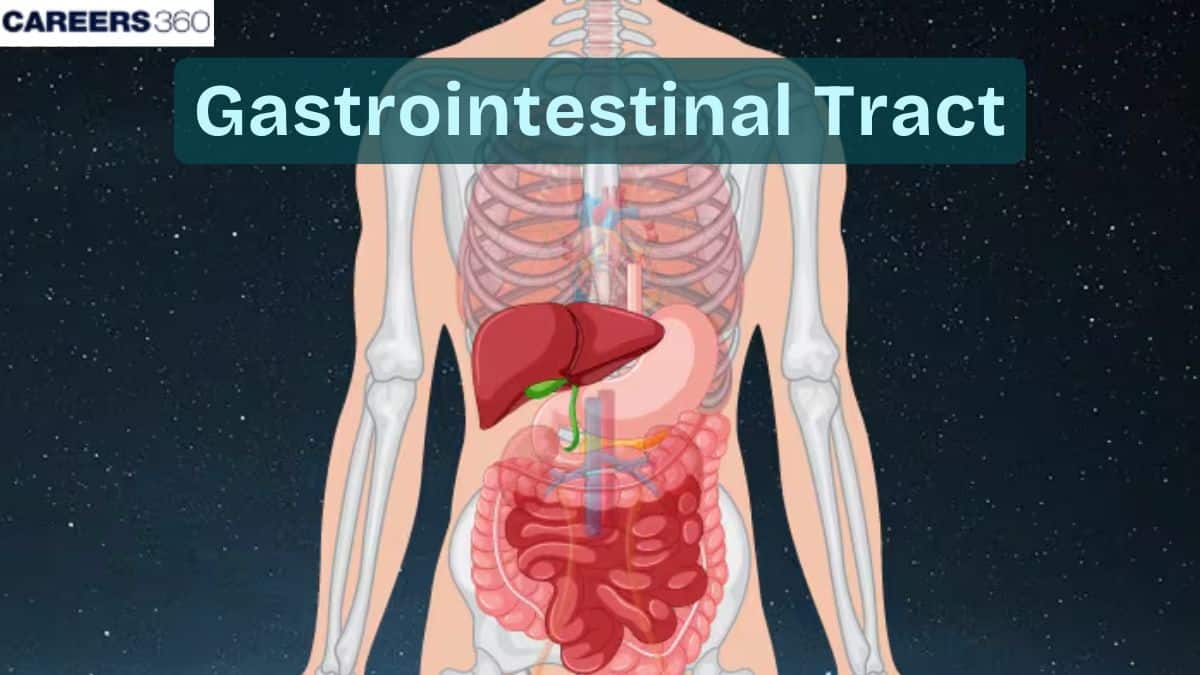
The gastrointestinal tract controls every step of digestion and absorption. The food enters through the mouth. It passes down through the oesophagus into the stomach. The stomach mixes the food with gastric juices. Then the small intestine absorbs the nutrients into the blood, and the large intestine absorbs water, thus forming faeces. The gastrointestinal tract is also accompanied by digestive gland secretions like the liver, pancreas and gall bladder. Students must learn gastrointestinal tract functions for exams like NEET and biology studies.
The gastrointestinal tract is the main canal for the human digestive system. It is a long alimentary canal with a length of about 20 to 25 feet. It comprises a row of organs starting from the mouth to the anus. It includes the mouth, oesophagus, stomach, small intestine and large intestine. The gastrointestinal tract breaks food into nutrients. The digestion starts in the mouth and continues in the stomach and small intestine. It is the site where food is enzymatically and acidically broken down into absorbable nutrients. Lastly, in the large intestine, water and electrolytes are absorbed, and solid waste is produced.
Law Admissions 2026 Open | Avail Merit-Based Scholarships
BBA/MBA/PGDM Early Bird Applications Deadline 19th Oct '26. Apply now using coupon code CAREER250 and get ₹250 off the application fee
The gastrointestinal tract breaks food into simple nutrients with the help of enzymes and acids. The gastrointestinal tract starts digestion in the mouth. The liver, pancreas, and gallbladder help digestion. The gastrointestinal tract keeps the body healthy. Some gastrointestinal tract functions are given below:
Breaks food into simple nutrients.
Absorbs vitamins, minerals, and water.
Absorbs electrolytes and maintains balance.
Support the absorption of digested food.
Formation of faeces and removal of waste.
Supports digestion with the liver, pancreas, and gallbladder.
The gastrointestinal tract is made of several organs. Each organ has a special role in digestion. Together, they help in breaking down food, absorbing nutrients, and removing waste. The major components of the alimentary canal anatomy are:
Structure:
Made up of the oral cavity, which comprises lips, teeth, tongue and palate.
Functions:
The point of intake of foods initiates the process of digestion.
Role of Saliva and Salivary Glands:
Saliva from the salivary glands (parotid, submandibular, and sublingual).
Contains amylase, which initiates the digestion of carbohydrates
Aids in the moistening of foods for easier swallowing.
Structure:
A muscular tube which connects the mouth to the stomach.
Functions:
Helps in swallowing through the process of peristalsis.
Peristalsis:
Swallowing is a process of moving food through the oesophagus and into the stomach through well-coordinated muscular contractions in the form of waves.
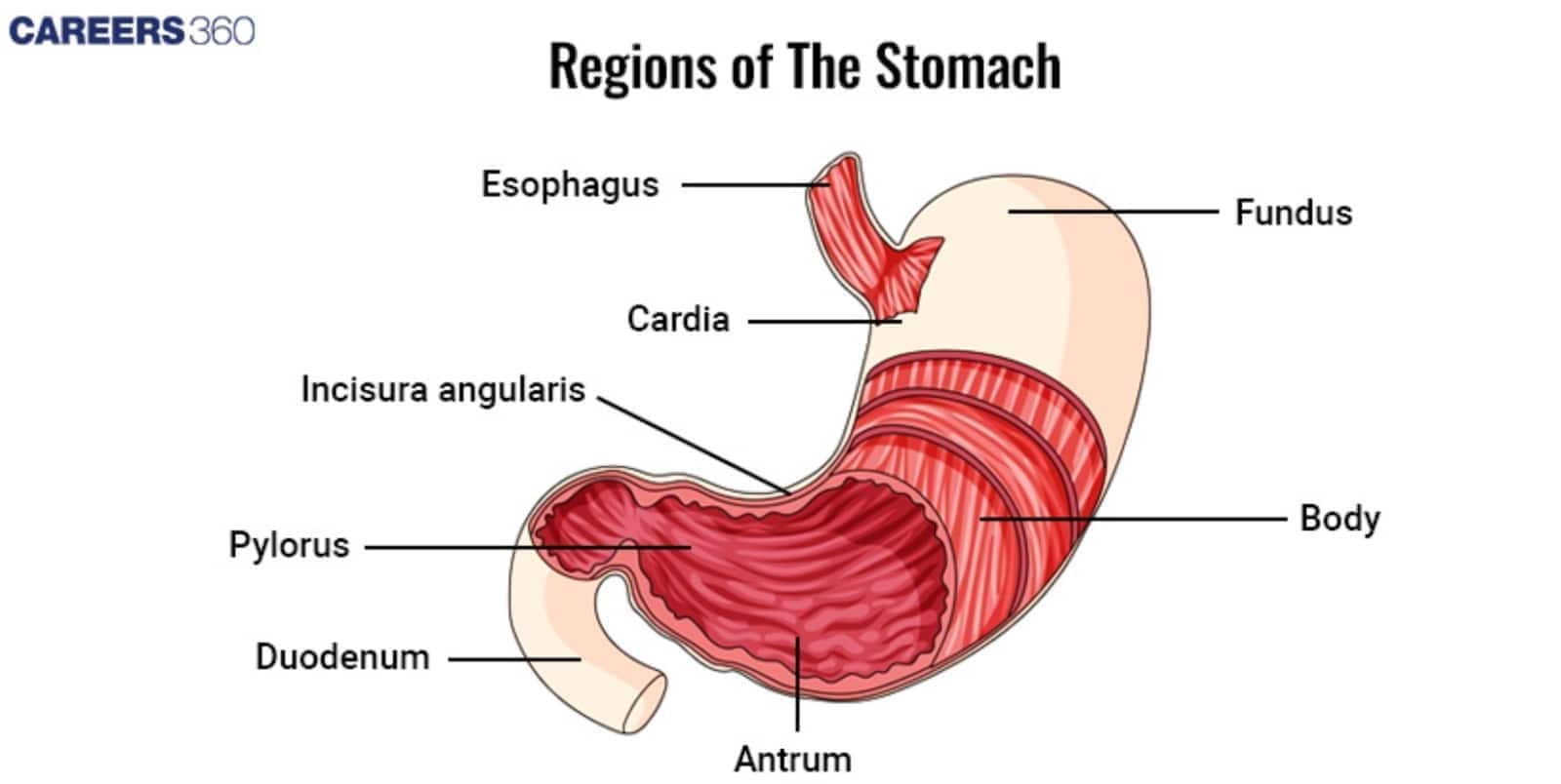
Anatomy:
J-shaped organ
Regions include cardia, fundus, body, and pylorus
Lined by the gastric mucosa.
Functions:
The stomach mixes food with gastric juice.
Churns and breaks it down into a paste-like substance called chyme.
Role of Gastric Juices and Enzymes:
Proteins are acted upon by enzymes such as hydrochloric acid and pepsin and digestion occurs in an acidic medium.
Parts:
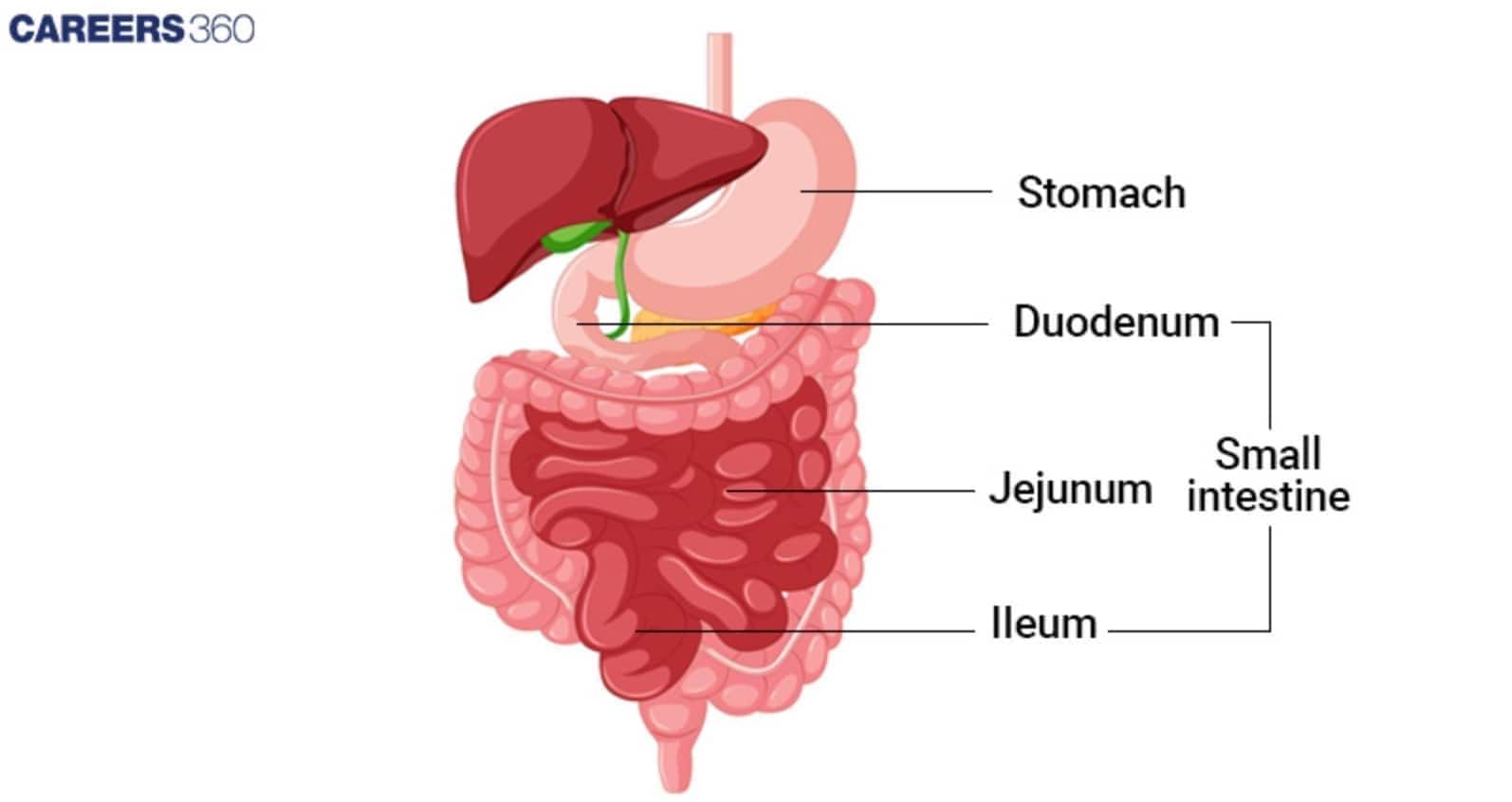
Duodenum
Jejunum
Ileum
Functions:
The major site of digestion and absorption
Role of Villi and Microvilli:
Increase the area for the absorption of nutrients at the epithelial layer.
Facilitates nutrient absorption into the blood.
Parts:
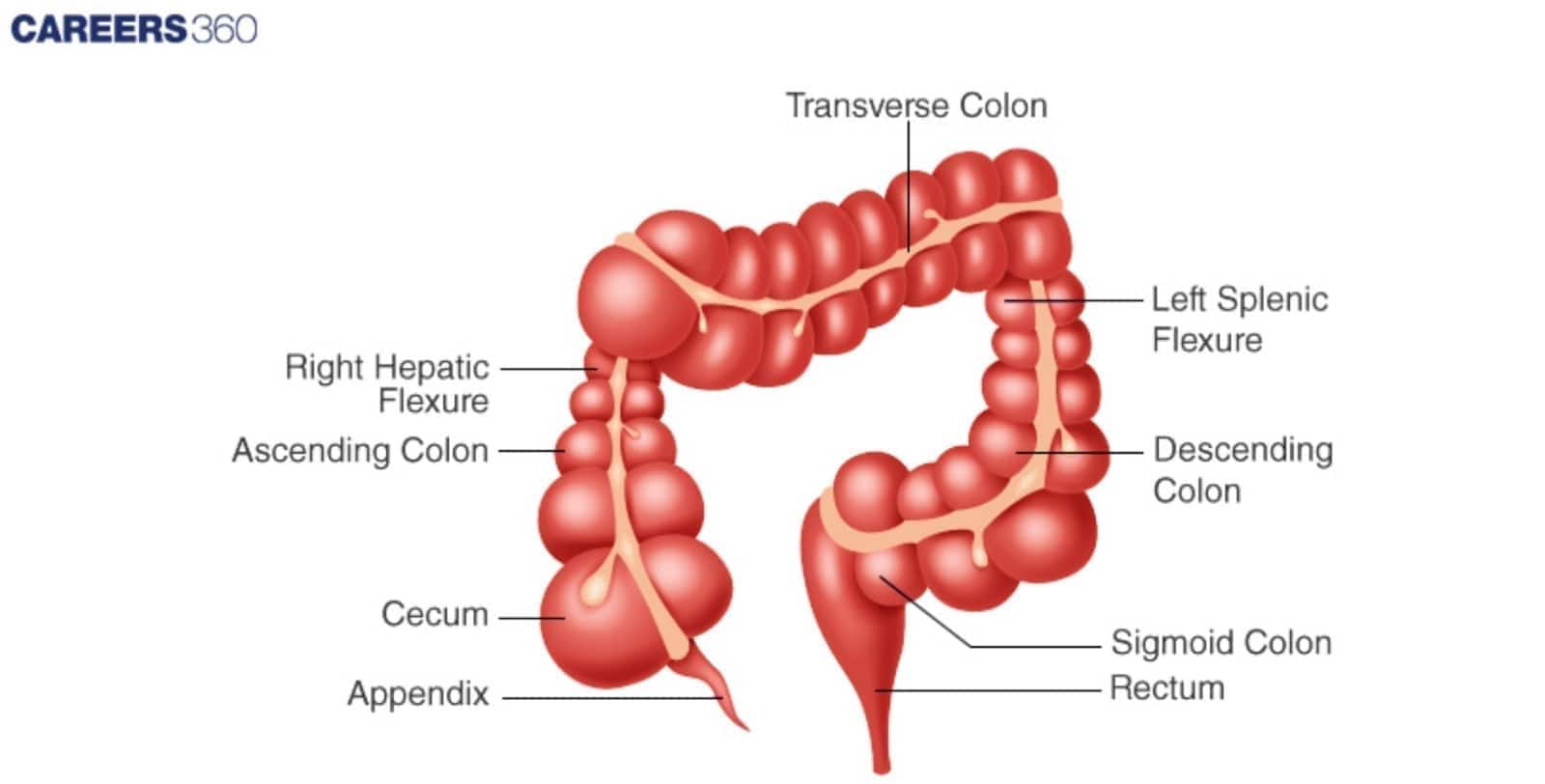
Cecum
Colon
Rectum
Functions:
Absorption of water and electrolytes.
Formation of faeces.
Accessory digestive glands help the gastrointestinal tract in digestion. They include the liver, pancreas, and gallbladder. Each gland has a special role in breaking down food and absorbing nutrients. Accessory digestive glands are discussed below:
Liver
The largest gland in the body
Destruction of toxins
Production of bile for fat digestion
Helps in the digestion of vitamins and fats.
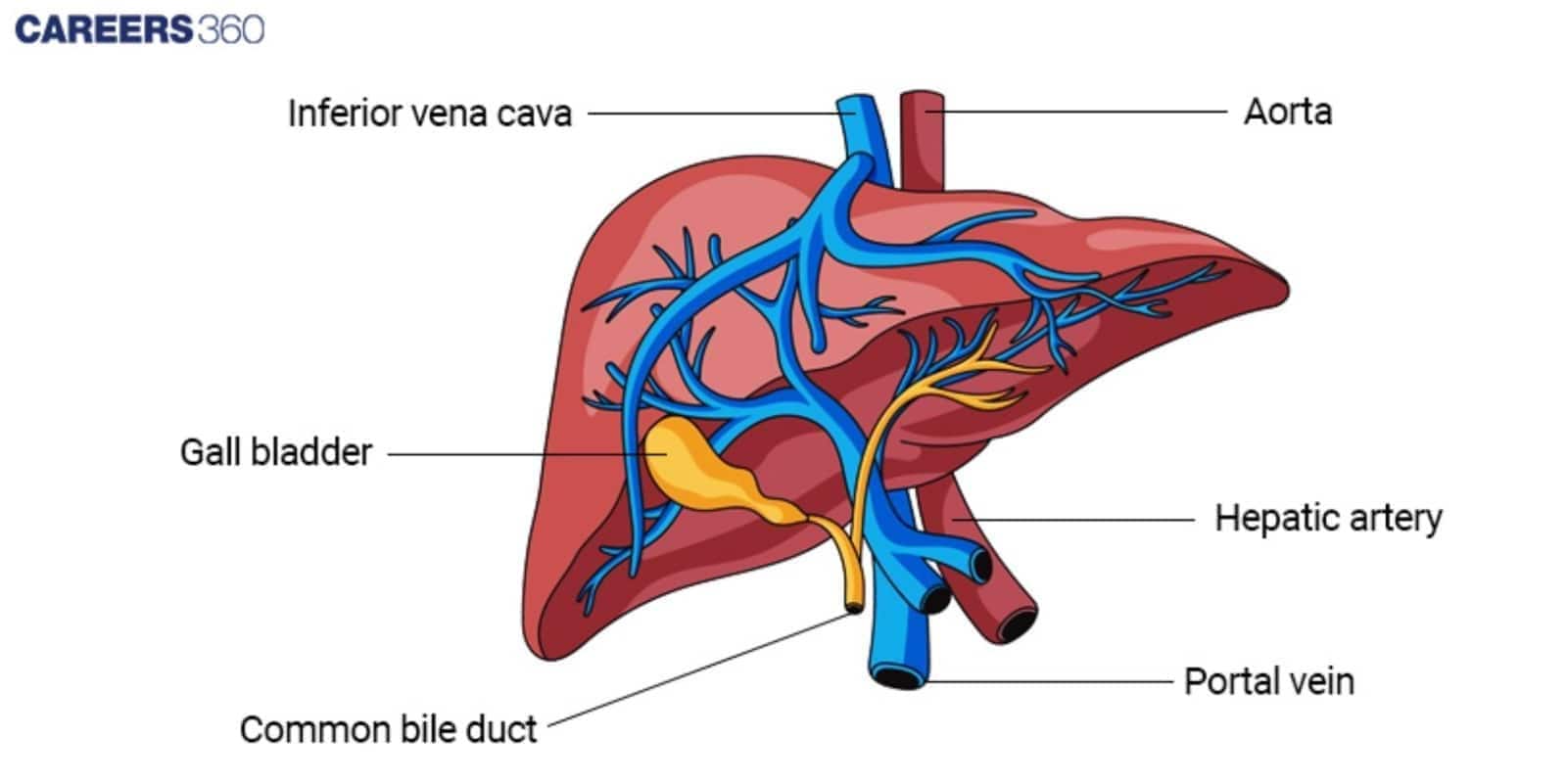
Pancreas
An elongated organ located below the stomach.
Produces insulin for sugar control.
Secretes substances for the small intestine example digestive enzymes.
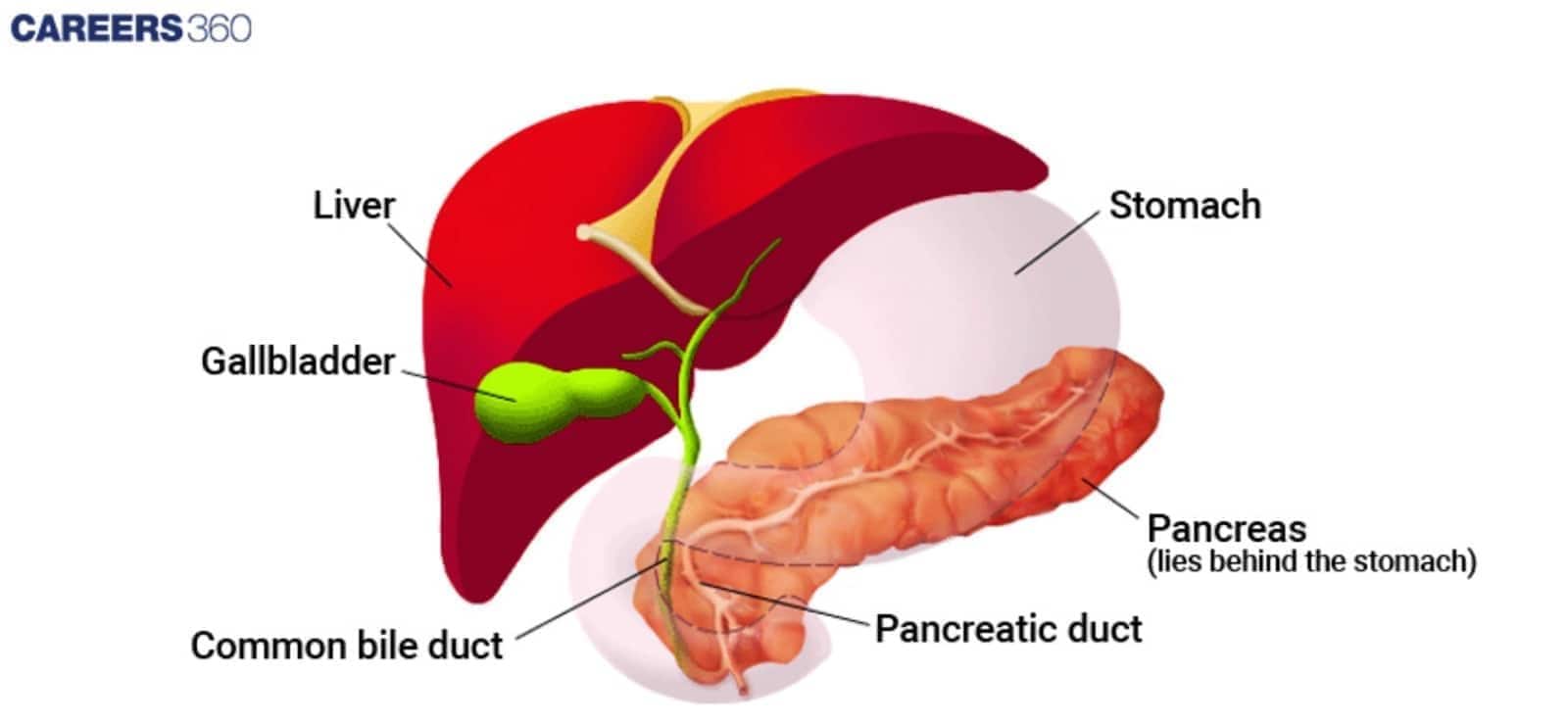
A small pouch beneath the liver
Stores and concentrates the produced bile.
Reaches the small intestine, where it is of use in the digestion and absorption of fats by regurgitating bile.
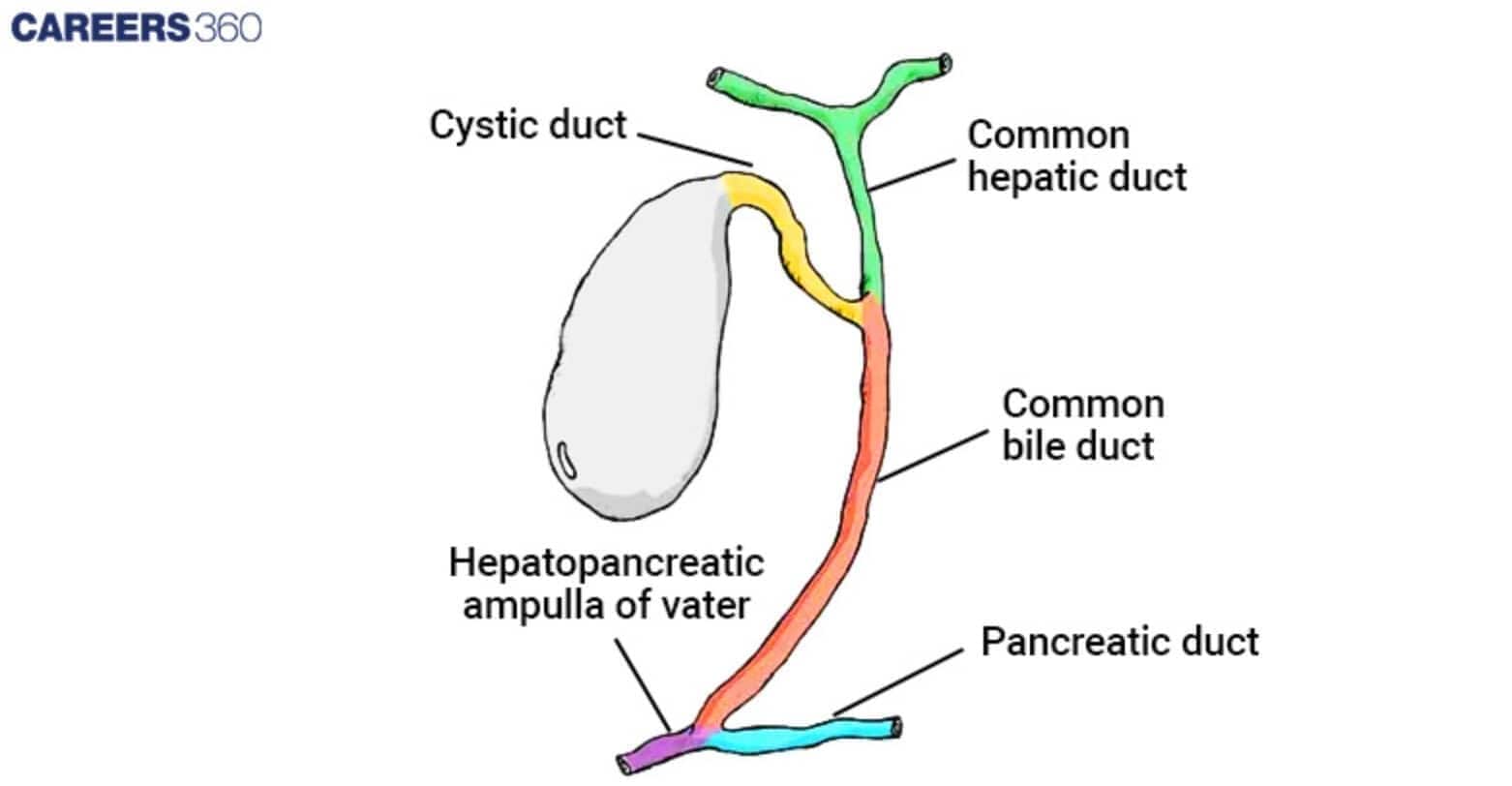
The gastrointestinal tract can face many problems. These disorders affect digestion, absorption, and waste removal. Students must know causes, symptoms, and treatments for exams like NEET. Some common disorders related to the gastrointestinal tract are:
Causes: Low-fibre diet, not drinking enough water, physically inactive, or because of a certain medication or disease.
Symptoms: Constipation, difficulty in bowel movements.
Treatments: A diet rich in fibre, increased fluid intake and exercising, medication such as laxatives or stool softeners may be prescribed.
Causes: Gut-brain signalling problem, stress, and diet.
Symptoms: Abdominal discomfort, pain, and or changes in bowel movements like diarrhoea, constipation or both.
Treatments: Dietary interventions (for example, low FODMAP diet), stress reduction strategies, and medications for symptom relief.
Causes: Age, family history of colon cancer, diet rich in red or processed meats, smoking, and conditions like Crohn’s disease and ulcerative colitis.
Symptoms: Changes in bowel habits, the presence of blood in stools, pain in the abdomen and unexplained weight loss.
Treatments: Therapies frequently include surgery, chemotherapy, and/or radiation therapy based on the stage of the malignancy.
Causes: Excessive pressure on the rectal as well as anal veins, pregnancy or sitting down for long periods.
Symptoms: Itching, pain, swelling around the anus, and even bleeding when one is defecating.
Treatments: Dietary changes such as increasing fibre intake, use of creams and in the worst-case scenarios, surgery like hemorrhoidectomy.
Hepatitis: Inflammation of the liver resulting from viral infections of the liver (hepatitis A, B, C), alcoholism, or other ailments.
Cirrhosis: A state of the liver in which liver tissues are gradually replaced with fibrous tissues, and the function of the organ starts to deteriorate.
Liver Cancer: It develops mostly from conditions like cirrhosis or hepatitis.
The gastrointestinal tract stays healthy with good habits. Preventive measures reduce the risk of disorders of the digestive system. Some of the preventive measures and healthy practices include:
Importance of a Balanced Diet
Source of essential nutrients, provides energy, and maintains digestive health.
Prevents digestive diseases.
Role of Fibre
Used to make the stool bulky
Relieve the individual from constipation and related complaints.
Regular Exercise
Helps in the stimulation of bowel movements.
Helps in keeping your weight in check.
Hydration
Promotes the easing of bowel movement and digestion
Prevents constipation.
Avoiding Harmful Substances
Avoid alcohol and tobacco.
Reduces GI diseases and cancers.
Important questions asked in NEET from this topic are:
Gastrointestinal tract anatomy
A common disorder of the gastrointestinal tract
Q1. Which of the following controls the secretion of bile from the gall bladder?
Secretin
Gastrin
Somatostatin
Cholecystokinin
Correct answer: 4) Cholecystokinin
Explanation:
Secretin stimulates the pancreas to release alkaline bicarbonate solution into the duodenum to neutralise the acidic chyme.
Secretin acts in tandem with another hormone called Cholecystokinin. It not only stimulates the pancreas but also stimulates the gall bladder to release bile.
Gastrin is secreted by g cells in response to the presence of proteins, etc. Gastrin stimulates the stomach to release hydrochloric acid.
Somatostatin stimulates the stomach to stop releasing hydrochloric acid when the need for maintaining an acidic environment in the stomach is over.
Hence, the correct answer is option 4) Cholecystokinin.
Q2. Which of the following hormones controls hyperacidity in the stomach?
Gastrin
Secretin
Somatostatin
Cholecystokinin
Correct answer: 3) Somatostatin
Explanation:
Somatostatin stimulates the stomach to stop releasing hydrochloric acid when the need for maintaining an acidic environment in the stomach is over.
Secretin stimulates the pancreas to release alkaline bicarbonate solution into the duodenum to neutralise the acidic chyme.
Secretin acts in tandem with another hormone called Cholecystokinin. It not only stimulates the pancreas but also stimulates the gall bladder to release bile.
Gastrin is secreted by G cells in response to the presence of proteins, etc. Gastrin stimulates the stomach to release hydrochloric acid.
Hence, the correct answer is option 3) Somatostatin.
Q3. Which of the following stimulates the release of Hydrochloric acid in the stomach?
Secretion
Gastrin
Somatostatin
Both b & c
Correct answer: 2) Gastrin
Explanation:
Role of Hormones in Digestion – Secretin stimulates the pancreas to release an alkaline bicarbonate solution into the duodenum, neutralizing the acidic chyme from the stomach. Gastrin, secreted by G cells in response to proteins, triggers the stomach to release hydrochloric acid (HCl), aiding digestion. In contrast, somatostatin inhibits HCl secretion once the stomach has achieved the required acidic environment, helping regulate digestive processes and maintain balance.
Hence, the correct answer is option 2) Gastrin
Frequently Asked Questions (FAQs)
The gastrointestinal tract is a long canal from mouth to anus. It digests food, absorbs nutrients, and removes waste. It includes the mouth, oesophagus, stomach, small intestine, large intestine, liver, pancreas, and gallbladder.
Digestion starts in the mouth with saliva. Food moves through oesophagus into stomach. The stomach mixes food with gastric juice. The small intestine absorbs nutrients with the help of villi and microvilli. The large intestine absorbs water and forms faeces.
Fibre makes stool bulky. It prevents constipation. It keeps bowel movements regular. Fibre reduces risk of haemorrhoids and colon disorders.
Constipation, irritable bowel syndrome (IBS), colon cancer, haemorrhoids, and liver diseases like hepatitis and cirrhosis.


Law Admissions 2026 Open | Avail Merit-Based Scholarships
BBA/MBA/PGDM Early Bird Applications Deadline 19th Oct '26. Apply now using coupon code CAREER250 and get ₹250 off the application fee
Ranked #36 amongst institutions in Management by NIRF | 100% Placement
Globally Recognized by AACSB (US) & AMBA (UK) | 18 LPA Avg. CTC for PGPM 2026
Leading Design College | 95% Placement Record | Merit-cum-Means Scholarships for Deserving Students
NEET PG All India & State College Predictor with Admission Process Guide