KCC Institute of Legal and Higher Education, Greater Noida
Law Admissions 2026 Open | Avail Merit-Based Scholarships


Cloud computing is changing the digital world. From storing data to running applications, businesses can use it more efficiently. This technology has become important across industries, which creates a strong demand for skilled professionals who can develop, manage, and optimise cloud-based systems.
This Story also Contains
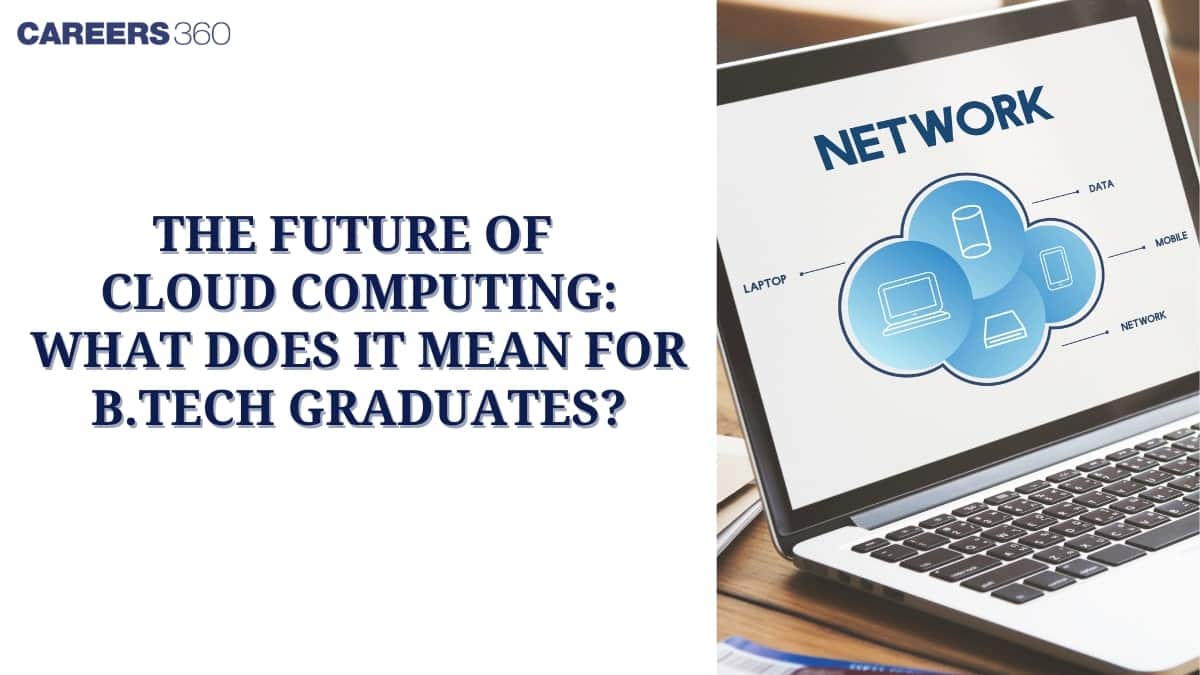
Many companies, from small startups to big firms, are now using cloud services. This change is creating new and exciting jobs. For BTech graduates, it’s a great chance to learn useful skills, work with modern technology, and begin a strong career in a fast-growing and future-ready field.
Cloud computing means using the internet to access services like data storage, servers, software, and networks. Instead of setting up their systems, companies rent these services from providers like AWS, Microsoft Azure, or Google Cloud. These services are adaptable and can be used from anywhere at any time.
It allows businesses to work faster, save money, and avoid the cost of buying and maintaining hardware. Cloud computing also supports teamwork, data backup, and online tools. Because of these benefits, it has become an important part of how companies use technology today.
Before choosing a specific job role, B.Tech graduates should build a strong foundation. Learning the basic skills first helps them explore different areas, understand what suits them best, and gain confidence as they begin their careers. Here are some important areas that form the base for most jobs in cloud computing:
Certifications offer more than just technical training—they serve as proof of skills. They help freshers and professionals build credibility, improve job prospects, and stand out in competitive interviews. Whether they are seeking an entry-level position or planning a career shift, certifications provide a structured path to learning cloud-related skills.
Choosing the right certification based on their career goals can make their resume stronger and increase their confidence during interviews.
Certification | Provider | Level |
|---|---|---|
AWS Certified Solutions Architect | Amazon Web Services | Intermediate |
Microsoft Certified: Azure Fundamentals | Microsoft | Entry-level |
Google Certified Professional Cloud Architect | Google Cloud Platform | Advanced |
Certified Cloud Security Professional (CCSP) | (ISC)² | Advanced |
Certificate of Cloud Security Knowledge (CCSK) | Cloud Security Alliance (CSA) | Intermediate |
Cloud Computing is benign used in many industries today. It helps companies work more efficiently, quickly, and safely. For BTech graduates, understanding how different sectors use cloud technology can lead them to better job choices and career paths. Below are some fields where cloud computing plays an important role.
Law Admissions 2026 Open | Avail Merit-Based Scholarships
BBA/MBA/PGDM Early Bird Applications Deadline 19th Oct '26. Apply now using coupon code CAREER250 and get ₹250 off the application fee
Cloud computing is growing rapidly, and its impact is not just on technology but also on careers. New trends are opening up more opportunities and making the field bigger. For B.Tech students, this means they can work on modern projects, build useful skills, and grow with the changing tech world.
Cloud computing is also being used along with the Internet of Things (IoT) and big data analytics. IoT devices collect huge amounts of information, and the cloud helps store, manage, and use it smartly. This mix allows to build smarter systems and new solutions, which makes it a valuable area for B.Tech graduates to explore.
Knowing about these trends can help students get ready for future jobs. Here are some key trends:
Trend | Overview |
|---|---|
Multi-Cloud Strategies | Companies use more than one cloud provider to stay flexible and avoid risks. |
Edge Computing | Data is processed near where it is created, making services faster with less delay. |
AI Integration | Cloud platforms use AI to automate tasks and help with smart decision-making. |
Cloud services are using greener methods to save energy and protect the environment. | |
Serverless Computing | Developers focus on writing code without managing servers or infrastructure. |
Cloud computing is not just a trend—it's a long-term shift in how technology is used across industries. As companies move toward digital-first strategies, the demand for skilled professionals who can design, secure, and manage cloud systems is increasing. This growing field offers B.Tech graduates many opportunities to build strong and future-ready careers.
Here are some growing career roles for B.Tech graduates:
Job Role | Key Skills Required | Average Annual Salary |
|---|---|---|
AWS/Azure, Linux, Python, Networking | Rs. 3.2 LPA – 14.6 LPA | |
CI/CD, Kubernetes, Jenkins, Cloud tools | Rs. 5.1 LPA – 21 LPA | |
Cloud Security Analyst | Security protocols, Risk analysis | Rs. 3.7 LPA– 14 LPA |
System design, Cloud platforms, APIs | Rs. 13.9 LPA – 40 LPA | |
Big Data, Cloud storage, ETL processes | Rs. 3.6 LPA – 20.7 LPA |
Source: AmbitionBox
The future of cloud computing is full of opportunities, especially for B.Tech graduates ready to upskill and adapt. Whether they choose to become engineers, architects, or system security analysts, the cloud ecosystem offers them exciting career paths. By staying updated and building relevant skills, graduates can create a successful future in the world of cloud technology.


Law Admissions 2026 Open | Avail Merit-Based Scholarships
BBA/MBA/PGDM Early Bird Applications Deadline 19th Oct '26. Apply now using coupon code CAREER250 and get ₹250 off the application fee
Ranked #36 amongst institutions in Management by NIRF | 100% Placement
Globally Recognized by AACSB (US) & AMBA (UK) | 18 LPA Avg. CTC for PGPM 2026
75+ years of legacy | #1 Entrance Exam | Score accepted by 250+ BSchools
Gateway to IBS Hyderabad & 8 other IBS campuses | Scholarships worth 10 CR